Clinic Location
Care n Cure Clinic, Nayapalli, Near Hotel Crown, Bhubaneswar
For Consultation
+91 7008110200
+91 9090910009
Work Hours
Mon - Fri : 05:30 - 07:30

- Home
- About Doctor
- Services
Postnatal care
Gynaecological services
- General Consultatnt
- Adolescent Clinic
- Well Women Clicnic
- Gynaecological Surgeries
- Gallery
- Your Pregnancy
- Training
- Contact
- Feedback
- Blog
- Home
- About Doctor
- Services
Postnatal care
Gynaecological services
- General Consultatnt
- Adolescent Clinic
- Well Women Clicnic
- Gynaecological Surgeries
- Gallery
- Your Pregnancy
- Training
- Contact
- Feedback
- Blog

- Home
- About Doctor
- Services
Postnatal care
Gynaecological services
- General Consultatnt
- Adolescent Clinic
- Well Women Clicnic
- Gynaecological Surgeries
- Gallery
- Your Pregnancy
- Training
- Contact
- Feedback
- Blog
Understanding Ovulation: Best Time to Conceive
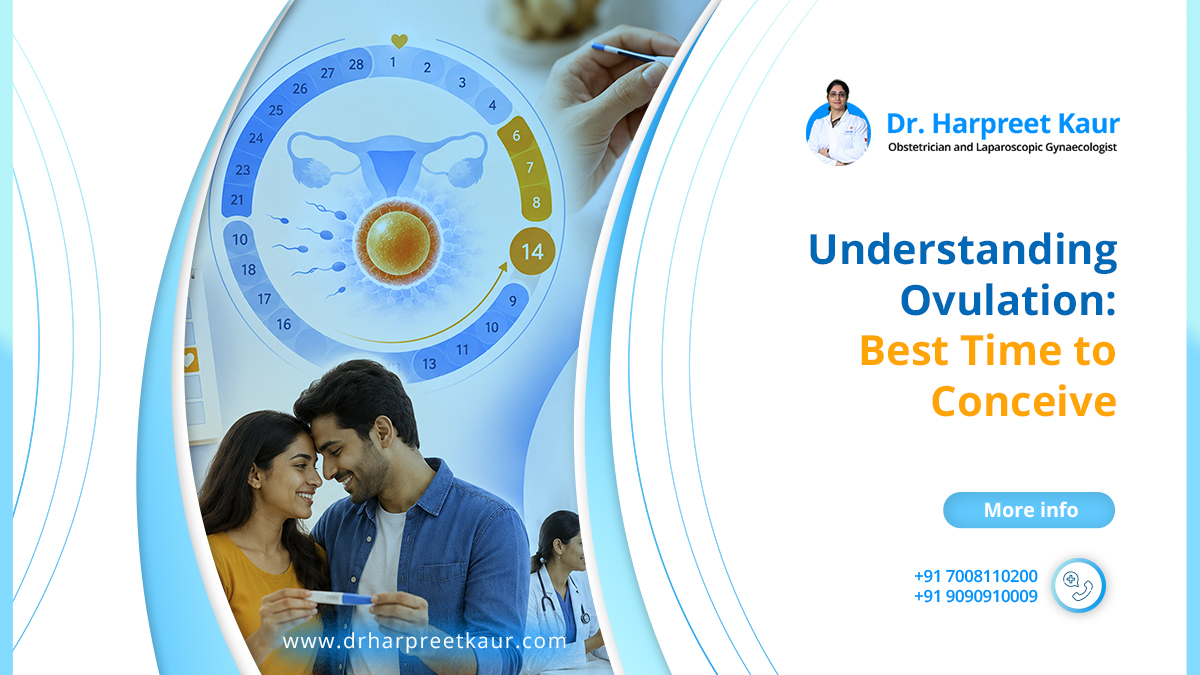
For couples planning a pregnancy, timing plays a crucial role. One of the most important factors in improving your chances is understanding your ovulation time to conceive. Ovulation is the phase in the menstrual cycle when the ovary releases an egg, making it the most fertile period for conception.
However, many women are unsure about when ovulation occurs, how to identify it, and how to track their fertile window accurately. By learning how your body works and recognizing the signs of ovulation, you can significantly improve your chances of getting pregnant naturally.
What is Ovulation?
Ovulation is a key event in the menstrual cycle fertility process. It typically occurs once a month when a mature egg is released from the ovary and travels down the fallopian tube, where it may meet sperm for fertilization.
The egg survives for about 12–24 hours, but sperm can live inside the female reproductive tract for up to 5 days. This is why identifying the ovulation time to conceive is not just about one day—it’s about understanding your entire fertile window.
When Does Ovulation Occur?
In a regular 28-day cycle, ovulation usually occurs around day 14. However, not all women have textbook cycles. Ovulation can vary depending on cycle length, stress, lifestyle, and hormonal health.
A more accurate way to determine when ovulation occurs is by counting backward:
- Ovulation typically happens 12–14 days before your next period
- For a 30-day cycle → ovulation around day 16
- For a 26-day cycle → ovulation around day 12
Understanding this timing helps in identifying the best days to get pregnant.
Understanding the Fertile Window
The fertile window calculation is essential for anyone trying to conceive. This window includes:
- The 5 days before ovulation
- The day of ovulation
These are considered the best days to get pregnant because sperm can survive in the body, waiting for the egg to be released.
Example:
If ovulation occurs on day 14:
- Fertile window = Day 9 to Day 14
Targeting intercourse during this period increases the likelihood of successful fertilization.
Signs of Ovulation You Should Not Ignore
Recognizing the signs of ovulation can help you naturally track your fertility without relying solely on apps or calculations.
Common Ovulation Symptoms:
- Changes in cervical mucus: Clear, stretchy, egg-white consistency
- Mild pelvic pain (Mittelschmerz)
- Slight rise in basal body temperature
- Increased libido
- Breast tenderness
- Heightened sense of smell
These ovulation symptoms are your body’s natural indicators that you are in your most fertile phase.
Ovulation Cycle Tracking Methods
Accurate ovulation cycle tracking can make a significant difference when trying to conceive. Here are some effective methods:
1. Calendar Method
Track your menstrual cycles over several months to estimate ovulation timing.
2. Basal Body Temperature (BBT)
Measure your temperature daily. A slight increase indicates ovulation has just occurred.
3. Ovulation Predictor Kits (OPKs)
These detect the surge in luteinizing hormone (LH), signaling that ovulation will happen within 24–36 hours.
4. Fertility Apps
Apps can help predict patterns, but should be used alongside physical signs for better accuracy.
Combining multiple tracking methods gives a clearer picture of your ovulation time to conceive.
How to Increase Chances of Pregnancy
Understanding ovulation is just one part of the journey. Here are practical tips on how to increase chances of pregnancy:
1. Time Intercourse Strategically
Have intercourse every 1–2 days during the fertile window.
2. Maintain a Healthy Lifestyle
- Balanced diet rich in folic acid, iron, and protein
- Regular exercise
- Adequate sleep
3. Manage Stress
High stress levels can disrupt hormonal balance and delay ovulation.
4. Avoid Smoking & Alcohol
Both can negatively impact fertility in men and women.
5. Monitor Underlying Conditions
Conditions like PCOS, thyroid disorders, or endometriosis can affect ovulation.
Common Mistakes Couples Make
Even with the best intentions, some common errors can reduce the chances of conception:
- Miscalculating ovulation day
- Ignoring irregular cycles
- Relying only on apps without observing body signals
- Having infrequent intercourse during fertile days
- Delaying medical consultation when needed
Correcting these mistakes can improve your chances significantly.
When to Consult a Specialist
If you have been trying to conceive for:
- 1 year (under 35 years)
- 6 months (above 35 years)
It’s advisable to seek expert guidance. Irregular periods, painful cycles, or known medical conditions also warrant early evaluation.
Consulting an experienced gynecologist like Dr Harpreet Kaur can help identify underlying issues and guide you with personalized fertility planning.
Conclusion
Understanding your ovulation time to conceive is one of the most powerful tools in your fertility journey. By learning when ovulation occurs, identifying your fertile window, and recognizing ovulation symptoms, you can take a proactive step toward achieving pregnancy.
Every woman’s body is unique, and sometimes small adjustments in timing, lifestyle, or medical support can make a big difference. With the right knowledge and guidance, your journey to parenthood can become more informed, confident, and successful.