Clinic Location
Care n Cure Clinic, Nayapalli, Near Hotel Crown, Bhubaneswar
For Consultation
+91 7008110200
+91 9090910009
Work Hours
Mon - Fri : 05:30 - 07:30
- Home
- About Doctor
- Services
Postnatal care
Gynaecological services
- General Consultatnt
- Adolescent Clinic
- Well Women Clicnic
- Gynaecological Surgeries
- Gallery
- Your Pregnancy
- Training
- Contact
- Feedback
- Blog
- Home
- About Doctor
- Services
Postnatal care
Gynaecological services
- General Consultatnt
- Adolescent Clinic
- Well Women Clicnic
- Gynaecological Surgeries
- Gallery
- Your Pregnancy
- Training
- Contact
- Feedback
- Blog

- Home
- About Doctor
- Services
Postnatal care
Gynaecological services
- General Consultatnt
- Adolescent Clinic
- Well Women Clicnic
- Gynaecological Surgeries
- Gallery
- Your Pregnancy
- Training
- Contact
- Feedback
- Blog
Preeclampsia Warning Signs Every Pregnant Woman Should Never Ignore
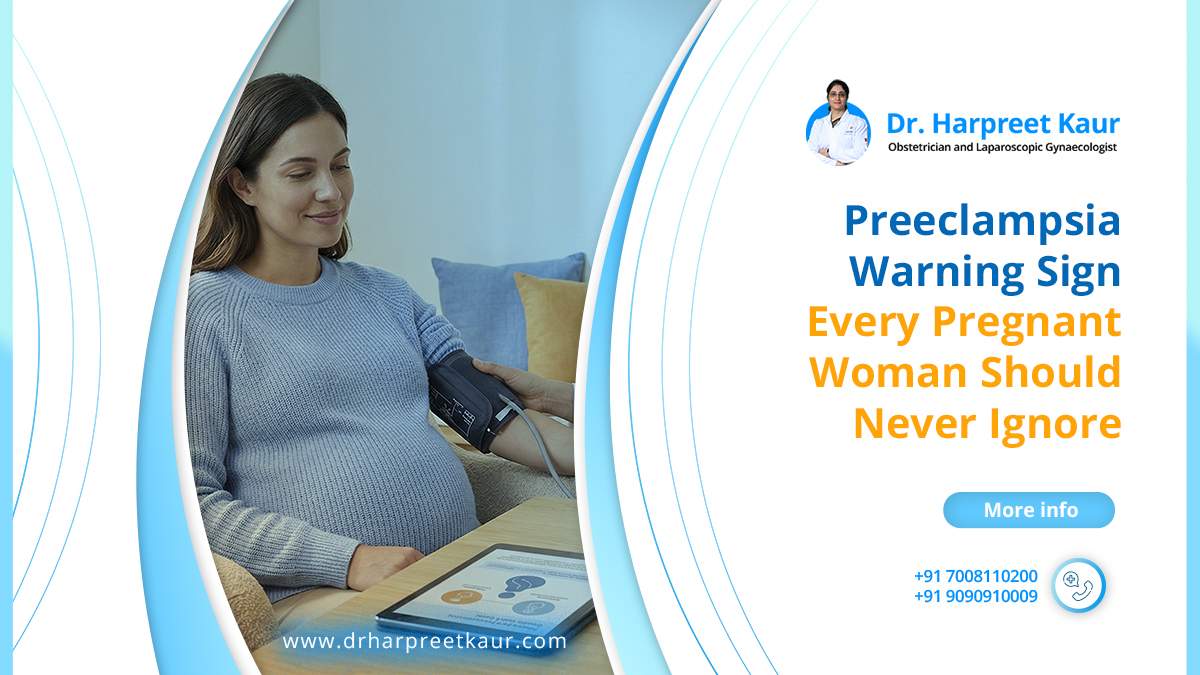
Pregnancy is a time of anticipation and joy, but it also requires close attention to changes in the body. While many symptoms during pregnancy are harmless, some can signal serious complications. One such condition is preeclampsia—a potentially life-threatening pregnancy disorder that often develops silently. Recognizing preeclampsia warning signs early can protect both the mother and the baby and prevent severe complications.
Preeclampsia primarily affects blood pressure and organ function, and if left untreated, it can progress rapidly. Awareness, regular antenatal checkups, and timely medical intervention are key to ensuring a safe pregnancy outcome.
What Is Preeclampsia?
Preeclampsia is a pregnancy-specific condition characterized by high blood pressure and signs of organ involvement, most commonly the kidneys and liver. It typically occurs after 20 weeks of pregnancy but can also develop earlier or even after delivery.
Although preeclampsia is more common in the third trimester, it can occur at any stage, making it crucial to understand when does preeclampsia usually start and how it presents.
Why Recognizing Preeclampsia Warning Signs Is Critical
One of the most dangerous aspects of preeclampsia is that it may progress without obvious discomfort. In some cases, women may ask, can preeclampsia occur without symptoms? The answer is yes—especially in the early stages. This is why routine blood pressure monitoring and urine tests during pregnancy are non-negotiable.
However, many women do experience noticeable symptoms, and identifying these early signs can be lifesaving.
Early Signs of Preeclampsia to Watch For
Persistent High Blood Pressure
One of the earliest and most consistent indicators is elevated blood pressure. High blood pressure in pregnancy symptoms may not always be felt, but readings consistently above 140/90 mmHg require evaluation.
This is also where understanding the difference between gestational hypertension and preeclampsia becomes important. While gestational hypertension involves raised blood pressure alone, preeclampsia includes additional organ-related symptoms.
Severe Headache and Vision Changes
A persistent, intense headache that does not respond to rest or medication can be alarming. Preeclampsia headache and vision changes such as blurred vision, flashing lights, or temporary loss of vision indicate possible involvement of the nervous system and require immediate medical attention.
Abnormal Swelling
Swelling is common in pregnancy, but swelling in pregnancy preeclampsia tends to be sudden, severe, and affects the face, hands, and around the eyes. Rapid weight gain due to fluid retention may also occur.
Protein in Urine During Pregnancy
The presence of protein in urine during pregnancy is a key diagnostic marker of preeclampsia. It indicates kidney involvement and is often detected during routine prenatal urine tests, even before symptoms become noticeable.
Symptoms of Preeclampsia in Pregnancy That Should Never Be Ignored
Upper Abdominal Pain
Pain in the upper right abdomen or below the ribs may indicate liver involvement. This symptom is often misunderstood as acidity or indigestion, leading to delayed diagnosis.
Shortness of Breath
Fluid accumulation in the lungs can cause breathing difficulty, especially when lying down. This is a serious sign that warrants urgent evaluation.
Nausea and Vomiting in Late Pregnancy
While nausea is common early in pregnancy, sudden nausea or vomiting in the second half of pregnancy can be associated with preeclampsia.
Preeclampsia in the Third Trimester
Preeclampsia in third trimester is the most common presentation and can progress quickly. As the pregnancy advances, blood pressure may rise further, and symptoms can worsen rapidly, increasing the risk of seizures (eclampsia), placental abruption, or preterm birth.
This makes it crucial to know when to worry about preeclampsia and seek immediate care if symptoms intensify.
Preeclampsia Risk Factors
Certain women are at a higher risk of developing preeclampsia. Key preeclampsia risk factors include:
- First pregnancy
- History of preeclampsia
- Multiple pregnancy (twins or more)
- Pre-existing high blood pressure or diabetes
- Obesity
- Advanced maternal age
Having risk factors does not mean preeclampsia is inevitable, but it does require closer monitoring.
How to Detect Preeclampsia Early
Understanding how to detect preeclampsia early can significantly reduce complications. Regular antenatal visits allow for:
- Blood pressure monitoring
- Urine testing for protein
- Blood tests to assess liver and kidney function
- Fetal growth and wellbeing assessments
Self-awareness also plays a major role. Any unusual or sudden symptom should be reported immediately.
A Clinical Perspective from Dr Harpreet Kaur
According to Dr Harpreet Kaur, preeclampsia is highly manageable when detected early. She emphasizes that no symptom is “too small” to discuss during pregnancy and encourages women to trust their instincts and prioritize regular prenatal care.
Final Thoughts
Preeclampsia is a serious but treatable condition. Knowing the preeclampsia warning signs, understanding your personal risk, and attending regular antenatal checkups can make all the difference. Early detection not only safeguards maternal health but also ensures better outcomes for the baby.
Pregnancy should be a journey of care, awareness, and empowerment—and recognizing warning signs is a powerful step toward a safer motherhood.