Clinic Location
Care n Cure Clinic, Nayapalli, Near Hotel Crown, Bhubaneswar
For Consultation
+91 7008110200
+91 9090910009
Work Hours
Mon - Fri : 05:30 - 07:30
- Home
- About Doctor
- Services
Postnatal care
Gynaecological services
- General Consultatnt
- Adolescent Clinic
- Well Women Clicnic
- Gynaecological Surgeries
- Gallery
- Your Pregnancy
- Training
- Contact
- Feedback
- Blog
- Home
- About Doctor
- Services
Postnatal care
Gynaecological services
- General Consultatnt
- Adolescent Clinic
- Well Women Clicnic
- Gynaecological Surgeries
- Gallery
- Your Pregnancy
- Training
- Contact
- Feedback
- Blog

- Home
- About Doctor
- Services
Postnatal care
Gynaecological services
- General Consultatnt
- Adolescent Clinic
- Well Women Clicnic
- Gynaecological Surgeries
- Gallery
- Your Pregnancy
- Training
- Contact
- Feedback
- Blog
Diet and Lifestyle Changes That Help Control Blood Pressure in Pregnancy
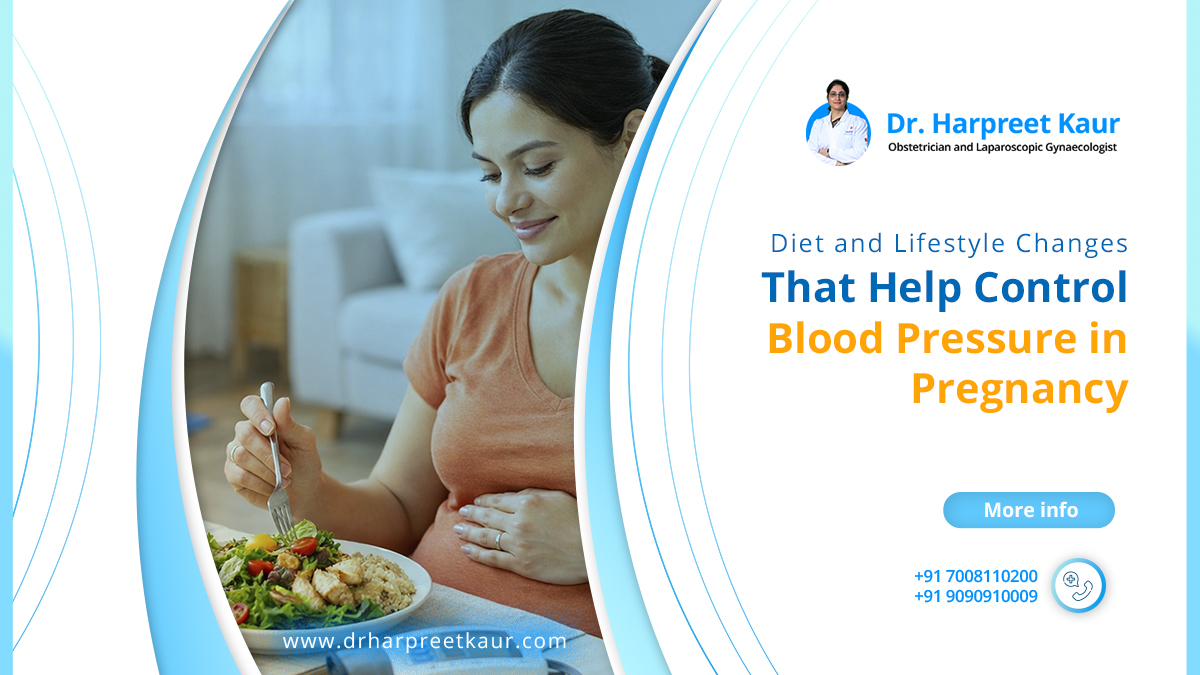
High blood pressure during pregnancy is a growing concern worldwide and requires careful medical and lifestyle management. Whether diagnosed as gestational hypertension or chronic hypertension, elevated blood pressure can increase risks for both mother and baby if not managed well. Alongside medical supervision, adopting the right diet for high blood pressure in pregnancy and making thoughtful lifestyle changes play a vital role in maintaining maternal and fetal health.
With the right nutritional choices, daily routine adjustments, and mindful habits, many women can support pregnancy-safe blood pressure control and experience healthier pregnancies.
Understanding High Blood Pressure in Pregnancy
Pregnancy-related hypertension may appear after 20 weeks of gestation or may already exist before conception. Gestational hypertension management focuses on preventing complications such as preeclampsia, poor fetal growth, or preterm birth.
Diet and lifestyle do not replace medical care, but they significantly enhance treatment outcomes and overall well-being.
Why Recognizing Preeclampsia Warning Signs Is Critical
One of the most dangerous aspects of preeclampsia is that it may progress without obvious discomfort. In some cases, women may ask, can preeclampsia occur without symptoms? The answer is yes—especially in the early stages. This is why routine blood pressure monitoring and urine tests during pregnancy are non-negotiable.
However, many women do experience noticeable symptoms, and identifying these early signs can be lifesaving.
Why Diet Matters in Controlling Blood Pressure During Pregnancy
A balanced pregnancy hypertension diet helps regulate fluid balance, supports healthy weight gain, improves circulation, and reduces strain on the heart and kidneys. Many women wonder, can diet control blood pressure during pregnancy? While diet alone may not cure hypertension, it can substantially stabilize blood pressure levels and reduce the need for medication escalation.
Key Dietary Principles for High Blood Pressure in Pregnancy
Focus on Whole, Nutrient-Dense Foods
Healthy eating during a high-risk pregnancy should prioritize fresh, minimally processed foods. A well-planned diet for high blood pressure in pregnancy includes:
- Fresh fruits and vegetables
- Whole grains like oats, brown rice, and whole wheat
- Lean protein sources such as lentils, beans, eggs, fish, and poultry
- Healthy fats from nuts, seeds, and vegetable oils
These foods provide essential minerals like potassium, magnesium, and calcium, which support blood pressure regulation.
Adopt a Low Salt Diet During Pregnancy
Excess sodium contributes to fluid retention and increased blood pressure. A low salt diet during pregnancy is especially important for women with hypertension. Instead of completely eliminating salt, focus on reducing added and processed salt.
Practical tips include:
- Avoid packaged and processed foods
- Limit pickles, papads, sauces, and ready-to-eat snacks
- Flavor meals with herbs, lemon, garlic, and spices instead of extra salt
Foods to Control Blood Pressure During Pregnancy
Certain foods naturally support cardiovascular health and help regulate blood pressure. Including these as part of daily meals can be beneficial:
- Bananas and oranges (rich in potassium)
- Leafy greens such as spinach and methi
- Low-fat dairy products
- Pulses and legumes
- Beetroot, which supports blood flow
These foods to control blood pressure during pregnancy also support overall fetal development.
What Foods to Avoid With High Blood Pressure in Pregnancy
Knowing what foods to avoid with high blood pressure in pregnancy is just as important as knowing what to eat. Foods that may worsen blood pressure include:
- Fried and oily foods
- Packaged snacks and instant foods
- Sugary desserts and sweetened beverages
- Excess caffeine
- Processed meats and fast food
Limiting these helps prevent unnecessary blood pressure spikes and excessive weight gain.
Lifestyle Changes for High BP in Pregnancy
Diet alone is not enough. Sustainable lifestyle changes for high bp in pregnancy support long-term blood pressure control and maternal health.
Safe Physical Activity
Engaging in safe exercise for hypertension in pregnancy improves circulation, reduces stress, and helps maintain healthy weight gain. Recommended activities include:
- Walking
- Prenatal yoga
- Gentle stretching
- Breathing exercises
Exercise should always be approved by a healthcare provider, especially in high-risk pregnancies.
Stress Management and Emotional Well-Being
Stress plays a direct role in raising blood pressure. Relaxation techniques such as meditation, deep breathing, adequate sleep, and emotional support are essential natural ways to lower blood pressure during pregnancy.
Creating a calm environment and reducing mental overload can positively influence blood pressure readings.
Maintaining a Healthy Daily Routine
A structured daily routine for pregnant women with hypertension promotes consistency and stability. This includes:
- Eating meals at regular intervals
- Staying well-hydrated
- Getting adequate rest
- Monitoring blood pressure as advised
- Attending all antenatal appointments
Routine helps the body adapt better to pregnancy changes.
Gestational Hypertension Management Through Lifestyle
Effective gestational hypertension management combines medical care with nutrition, exercise, stress reduction, and monitoring. Lifestyle measures can help slow disease progression and improve pregnancy outcomes.
Women should avoid self-medication or drastic dietary restrictions and instead follow individualized medical advice.
Pregnancy-Safe Blood Pressure Control: A Balanced Approach
Pregnancy-safe blood pressure control is about balance—not restriction. Nutrient sufficiency is crucial for fetal growth, so diets should never be overly restrictive. The goal is nourishment, not deprivation.
Regular monitoring ensures that lifestyle measures are working alongside medical treatment.
A Medical Perspective from Dr Harpreet Kaur
According to Dr Harpreet Kaur, dietary awareness and healthy lifestyle habits significantly improve pregnancy outcomes in women with hypertension. She emphasizes that early intervention, consistent follow-up, and personalized nutrition plans are key to managing high blood pressure safely during pregnancy.
Final Thoughts
Managing blood pressure during pregnancy requires commitment, awareness, and support. Adopting the right diet for high blood pressure in pregnancy, avoiding trigger foods, engaging in safe physical activity, and maintaining emotional balance can make a meaningful difference.
With informed choices and proper medical guidance, women with hypertension can experience healthier pregnancies and safer deliveries—protecting both themselves and their babies every step of the way.