Clinic Location
Care n Cure Clinic, Nayapalli, Near Hotel Crown, Bhubaneswar
For Consultation
+91 7008110200
+91 9090910009
Work Hours
Mon - Fri : 05:30 - 07:30
- Home
- About Doctor
- Services
Postnatal care
Gynaecological services
- General Consultatnt
- Adolescent Clinic
- Well Women Clicnic
- Gynaecological Surgeries
- Gallery
- Your Pregnancy
- Training
- Contact
- Feedback
- Blog
- Home
- About Doctor
- Services
Postnatal care
Gynaecological services
- General Consultatnt
- Adolescent Clinic
- Well Women Clicnic
- Gynaecological Surgeries
- Gallery
- Your Pregnancy
- Training
- Contact
- Feedback
- Blog

- Home
- About Doctor
- Services
Postnatal care
Gynaecological services
- General Consultatnt
- Adolescent Clinic
- Well Women Clicnic
- Gynaecological Surgeries
- Gallery
- Your Pregnancy
- Training
- Contact
- Feedback
- Blog
The Importance of Bone Health During and After Menopause: Prevention, Nutrition & Healthy Habits
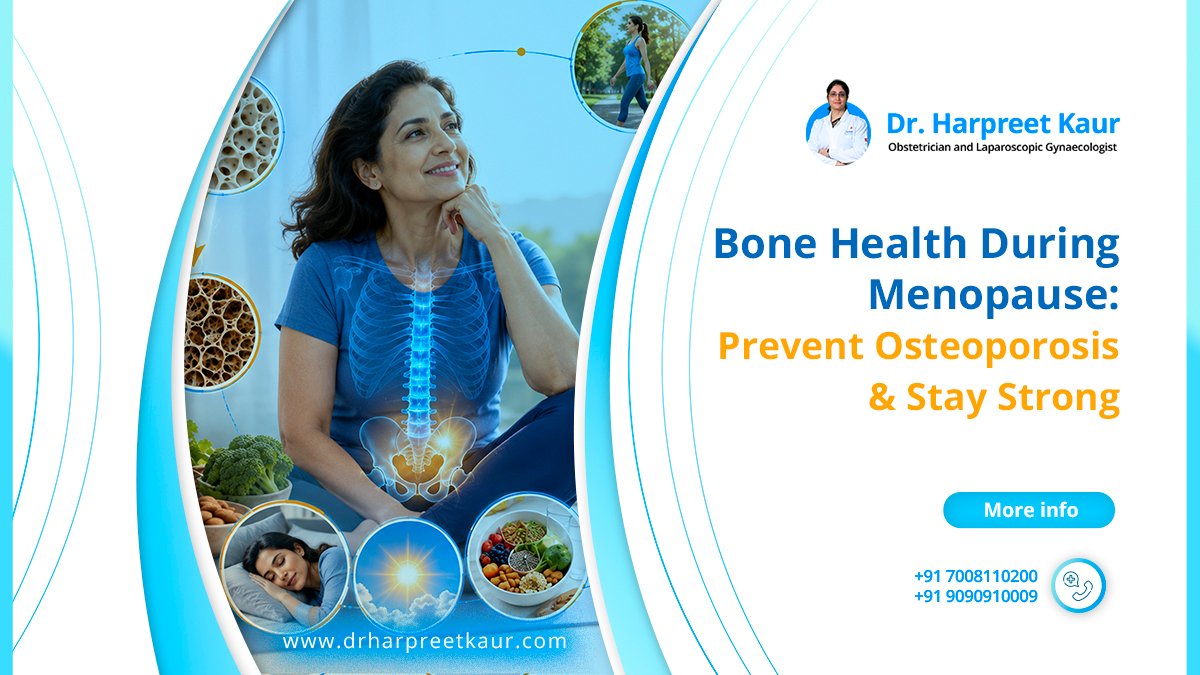
Healthy Bones Are the Foundation of Healthy Ageing
When women think about menopause, symptoms like hot flashes, night sweats, mood changes, or irregular periods often come to mind. However, one important health concern often develops quietly—bone loss.
Unlike menopausal symptoms that are easy to notice, declining bone strength usually has no warning signs in its early stages. A woman may feel perfectly healthy until a minor fall or simple movement results in a fracture.
This is why bone health deserves attention long before a fracture occurs.
The years around menopause provide an opportunity to protect your bones through healthy lifestyle choices, good nutrition, regular physical activity, and appropriate medical guidance. The earlier you start, the better your chances of maintaining strong, healthy bones for years to come.
Quick Answer
Menopause increases the risk of bone loss because declining estrogen levels reduce the body’s ability to maintain bone strength. Over time, this can lead to osteopenia or osteoporosis, increasing the likelihood of fractures. Eating a calcium-rich diet, maintaining adequate vitamin D levels, staying physically active, avoiding smoking, and discussing bone density screening with your doctor are important steps in protecting bone health during and after menopause.
Why Does Menopause Affect Bone Health?
Bones are living tissues that are constantly being broken down and rebuilt throughout life.
Until early adulthood, the body usually builds bone faster than it loses it. As we age, this balance gradually changes.
One of the biggest changes occurs during menopause.
Estrogen, a hormone produced by the ovaries, plays an important role in maintaining bone strength. As estrogen levels decline during menopause, bone breakdown begins to outpace bone formation.
As a result, women may lose bone density more rapidly during the years immediately before and after menopause.
This natural process does not mean that every woman will develop osteoporosis. However, it does mean that protecting bone health becomes increasingly important during this stage of life.
What Is Osteoporosis?
Osteoporosis is a condition in which bones become weaker, thinner, and more likely to break.
People often think of osteoporosis as an inevitable part of ageing, but that’s not entirely true.
Although age is a major risk factor, several lifestyle and medical factors influence whether a woman develops osteoporosis.
Common fracture sites include:
- Wrist
- Hip
- Spine
These fractures can significantly affect mobility, independence, and quality of life.
The encouraging news is that osteoporosis is often preventable—or at least its progression can be slowed—with early intervention.
What Is Osteopenia?
Many women hear the term osteopenia after a bone density test and assume they already have osteoporosis.
In reality, osteopenia is different.
Osteopenia refers to lower-than-normal bone density, but not to the extent seen in osteoporosis.
Think of it as an early warning sign.
For many women, this stage provides an opportunity to strengthen bone health through lifestyle modifications, nutrition, exercise, and, in some cases, medical treatment before more significant bone loss occurs.
Who Is More Likely to Develop Osteoporosis?
Although menopause itself increases bone loss, some women have additional risk factors that deserve closer attention.
These include:
- Early menopause
- Surgical removal of the ovaries
- Family history of osteoporosis
- Previous low-impact fractures
- Low body weight
- Smoking
- Excessive alcohol consumption
- Vitamin D deficiency
- Long-term steroid use
- Certain thyroid or autoimmune disorders
- Sedentary lifestyle
Having one or more risk factors does not necessarily mean you will develop osteoporosis. It simply means you may benefit from earlier assessment and preventive measures.
Can You Feel Bone Loss?
One of the biggest misconceptions about osteoporosis is that it causes pain while it is developing.
Unfortunately, it usually doesn’t.
Bone loss is often called a “silent condition” because it progresses without obvious symptoms.
Many women discover they have osteoporosis only after experiencing a fracture from a relatively minor fall.
Sometimes, warning signs appear later, including:
- Loss of height
- Stooped posture
- Back pain caused by spinal fractures
- Fractures occurring more easily than expected
Waiting for symptoms is therefore not a good strategy.
Preventive care is far more effective.
Nutrition: Your First Line of Defence
Healthy bones require more than just calcium tablets.
A balanced diet provides the nutrients needed for ongoing bone maintenance throughout life.
Important nutrients include:
Calcium
Calcium
Good dietary sources include:
- Milk
- Curd (yogurt)
- Cheese
- Ragi
- Sesame seeds
- Tofu
- Green leafy vegetables
Whenever possible, obtaining calcium through food is preferable. Supplements should only be taken when recommended by your healthcare provider.
Vitamin D
Vitamin D helps the body absorb calcium efficiently.
Without enough vitamin D, even a calcium-rich diet may not provide the full benefit.
Vitamin D comes from:
- Sunlight exposure
- Fortified foods
- Eggs
- Fatty fish
- Supplements when prescribed
Since vitamin D deficiency is common, your doctor may recommend testing if you’re at increased risk.
Protein Also Matters
Many people associate protein with muscle health, but it’s equally important for maintaining healthy bones.
Including adequate protein from sources such as lentils, beans, dairy products, eggs, fish, or lean meats supports both bone and muscle strength—helping reduce the risk of falls and fractures as you age.
Dr. Harpreet Kaur's Clinical Perspective
One of the most common misconceptions I hear is, “I’ll start worrying about my bones after menopause.” In reality, protecting your bones should begin much earlier.
The years leading up to menopause are an ideal time to build healthy habits. Small changes—such as improving your diet, staying physically active, and addressing vitamin D deficiency—can have a lasting impact on bone strength and overall health in the years ahead.
What Are the Best Exercises for Strong Bones?
Exercise is one of the most effective ways to protect your bones during and after menopause. Regular physical activity not only helps maintain bone density but also improves muscle strength, balance, and coordination, reducing the risk of falls and fractures.
The best exercise plan usually combines different types of activities.
1. Weight-Bearing Exercises
These exercises encourage your bones to work against gravity, helping them stay stronger.
Examples include:
- Brisk walking
- Stair climbing
- Dancing
- Hiking
- Low-impact aerobics
- Light jogging (if appropriate for your fitness level)
Aim for regular activity most days of the week, based on your overall health and your doctor’s advice.
2. Strength Training
Resistance exercises stimulate bones and muscles, helping improve overall strength.
Examples include:
- Resistance bands
- Light dumbbells
- Bodyweight exercises
- Weight machines under supervision
Strength training also helps maintain muscle mass, which naturally declines with age.
3. Balance and Flexibility Exercises
While these activities may not directly increase bone density, they play an important role in preventing falls.
Good options include:
- Yoga
- Tai Chi
- Stretching exercises
- Balance training
Choose exercises that match your fitness level and avoid activities that may increase your risk of injury.
Lifestyle Habits That Support Healthy Bones
Bone health isn’t determined by a single nutrient or exercise routine. Your daily lifestyle choices have a significant impact over time.
Maintain a Healthy Weight
Being underweight may increase the risk of osteoporosis because lower body weight is often associated with reduced bone mass.
On the other hand, obesity can place additional stress on joints and affect overall mobility.
Maintaining a healthy weight through balanced nutrition and regular physical activity supports both bone and general health.
Avoid Smoking
Smoking has been linked to reduced bone density and an increased risk of fractures. It may also contribute to earlier menopause, further accelerating bone loss.
Quitting smoking benefits not only your bones but also your heart, lungs, and overall well-being.
Limit Alcohol Consumption
Excessive alcohol intake can interfere with the body’s ability to absorb calcium and increase the risk of falls.
If you drink alcohol, discuss safe limits with your healthcare provider.
Prioritize Good Sleep
Sleep is essential for overall health, including the body’s natural repair processes.
Poor sleep may also affect hormone regulation, energy levels, and motivation to stay physically active.
Aim for consistent, good-quality sleep as part of a healthy lifestyle.
Should You Take Calcium or Vitamin D Supplements?
Many women wonder whether supplements are necessary after menopause.
The answer depends on your individual needs.
If your diet provides enough calcium and your vitamin D levels are adequate, supplements may not be required. However, some women—particularly those with dietary restrictions, vitamin D deficiency, limited sunlight exposure, or increased fracture risk—may benefit from supplementation.
It’s important to remember that more is not always better. Taking high doses of calcium or vitamin D without medical advice can have potential side effects.
Your healthcare provider can recommend the appropriate dose based on your diet, medical history, and laboratory results.
When Should You Consider a Bone Density (DEXA) Scan?
A Dual-Energy X-ray Absorptiometry (DEXA) scan is the most commonly used test to measure bone mineral density.
It helps identify:
- Normal bone density
- Osteopenia
- Osteoporosis
A DEXA scan may be recommended if you:
- Are postmenopausal with additional risk factors
- Have experienced a low-impact fracture
- Have a strong family history of osteoporosis
- Have undergone early menopause
- Have been on long-term steroid treatment
- Have medical conditions that affect bone health
Your doctor will determine whether a DEXA scan is appropriate based on your individual risk profile.
Can Osteoporosis Be Prevented?
Although ageing and menopause are natural processes, osteoporosis is not an inevitable part of growing older.
Many women can significantly reduce their risk by adopting healthy habits early.
A bone-friendly lifestyle includes:
- Eating a calcium-rich diet
- Maintaining adequate vitamin D levels
- Exercising regularly
- Avoiding smoking
- Limiting excessive alcohol consumption
- Maintaining a healthy body weight
- Managing chronic medical conditions
- Attending regular health check-ups
Even women diagnosed with osteopenia can often slow bone loss with appropriate lifestyle changes and medical guidance.
How Is Osteoporosis Treated?
If osteoporosis is diagnosed, treatment is tailored to your individual health needs and fracture risk.
Your treatment plan may include:
Lifestyle Measures
- Healthy nutrition
- Regular weight-bearing exercise
- Fall prevention strategies
- Smoking cessation
- Limiting alcohol
Medications
Depending on your bone density results and fracture risk, your doctor may prescribe medications that help reduce bone loss or improve bone strength.
The choice of medication varies from person to person, so treatment should always be individualized.
Regular follow-up helps monitor your response and make adjustments when necessary.
Common Myths About Bone Health
Myth: Osteoporosis only affects very elderly women.
Fact: Bone loss often begins around menopause, long before a fracture occurs.
Myth: If I don’t have bone pain, my bones must be healthy.
Fact: Osteoporosis usually develops without symptoms until a fracture happens.
Myth: Drinking milk alone is enough to prevent osteoporosis.
Fact: Bone health depends on multiple factors, including exercise, vitamin D, protein intake, hormonal health, and overall lifestyle.
Myth: Exercise after menopause is risky.
Fact: Appropriate physical activity is one of the most effective ways to maintain bone strength and reduce the risk of falls.
Myth: Bone loss cannot be slowed.
Fact: Early intervention, healthy habits, and appropriate medical treatment can help preserve bone health and reduce fracture risk.
When Should You Consult a Gynecologist?
Although osteoporosis is often associated with ageing, your gynecologist plays an important role in protecting your health during menopause.
Consider seeking medical advice if you:
- Have entered menopause or are experiencing menopausal symptoms
- Have early or surgical menopause
- Have a family history of osteoporosis
- Experience recurrent fractures after minor injuries
- Have persistent vitamin D deficiency
- Take long-term steroid medication
- Have concerns about calcium or vitamin D intake
- Want guidance on maintaining healthy bones after menopause
Early assessment allows personalized recommendations based on your age, medical history, and individual risk factors.
Frequently Asked Questions
Bone density naturally begins to decline with age, but the rate of bone loss often increases during the years around menopause because of falling estrogen levels.
No. While menopause increases the risk of bone loss, many women maintain healthy bones through a balanced diet, regular exercise, healthy lifestyle habits, and appropriate medical care.
Although significant bone loss cannot always be completely reversed, early diagnosis and treatment can slow progression, improve bone strength, and reduce the risk of fractures.
Walking is an excellent weight-bearing exercise, but combining it with strength training and balance exercises provides greater overall benefits for bone and muscle health.
Not necessarily. Your calcium needs depend on your diet, age, and overall health. Your healthcare provider can advise whether supplementation is necessary.
The amount varies depending on skin type, season, time of day, and geographical location. If deficiency is suspected, your doctor may recommend testing and supplementation.
For some women, menopausal hormone therapy may help reduce bone loss. However, it is not suitable for everyone, and the decision should be made after discussing the benefits and risks with your doctor.
A family history of osteoporosis can increase your risk, but lifestyle choices and preventive care also play a significant role in maintaining bone health.
Foods rich in calcium, protein, and other essential nutrients—such as dairy products, leafy green vegetables, tofu, ragi, nuts, seeds, eggs, and fatty fish—support healthy bones as part of a balanced diet.
There is no single age that applies to every woman. The decision depends on factors such as menopause status, age, fracture history, medical conditions, and other risk factors. Your doctor can help determine the right timing.
Key Takeaways
Bone health is an essential part of healthy ageing, yet it is often overlooked until a fracture occurs. The hormonal changes of menopause can accelerate bone loss, making this an important time to focus on prevention.
Healthy eating, regular weight-bearing exercise, adequate vitamin D and calcium, and routine medical care all contribute to stronger bones and a lower risk of osteoporosis. By taking proactive steps today, women can maintain their mobility, independence, and quality of life for years to come.
Conclusion
Menopause marks a new phase of life, but it doesn’t have to mean weaker bones or reduced independence. Understanding how hormonal changes affect bone health empowers women to make informed decisions that support long-term well-being.
Simple lifestyle changes—combined with regular medical check-ups and personalized guidance—can go a long way in reducing the risk of osteoporosis and fractures. If you’re approaching menopause, have recently gone through it, or have concerns about your bone health, speaking with a gynecologist can help you create a plan that’s tailored to your needs.
Protecting your bones today is an investment in your health, mobility, and confidence for the future.