Clinic Location
Care n Cure Clinic, Nayapalli, Near Hotel Crown, Bhubaneswar
For Consultation
+91 7008110200
+91 9090910009
Work Hours
Mon - Fri : 05:30 - 07:30

- Home
- About Doctor
- Services
Postnatal care
Gynaecological services
- General Consultatnt
- Adolescent Clinic
- Well Women Clicnic
- Gynaecological Surgeries
- Gallery
- Your Pregnancy
- Training
- Contact
- Feedback
- Blog
- Home
- About Doctor
- Services
Postnatal care
Gynaecological services
- General Consultatnt
- Adolescent Clinic
- Well Women Clicnic
- Gynaecological Surgeries
- Gallery
- Your Pregnancy
- Training
- Contact
- Feedback
- Blog

- Home
- About Doctor
- Services
Postnatal care
Gynaecological services
- General Consultatnt
- Adolescent Clinic
- Well Women Clicnic
- Gynaecological Surgeries
- Gallery
- Your Pregnancy
- Training
- Contact
- Feedback
- Blog
Hysteroscopy vs Laparoscopy: What Is the Difference?
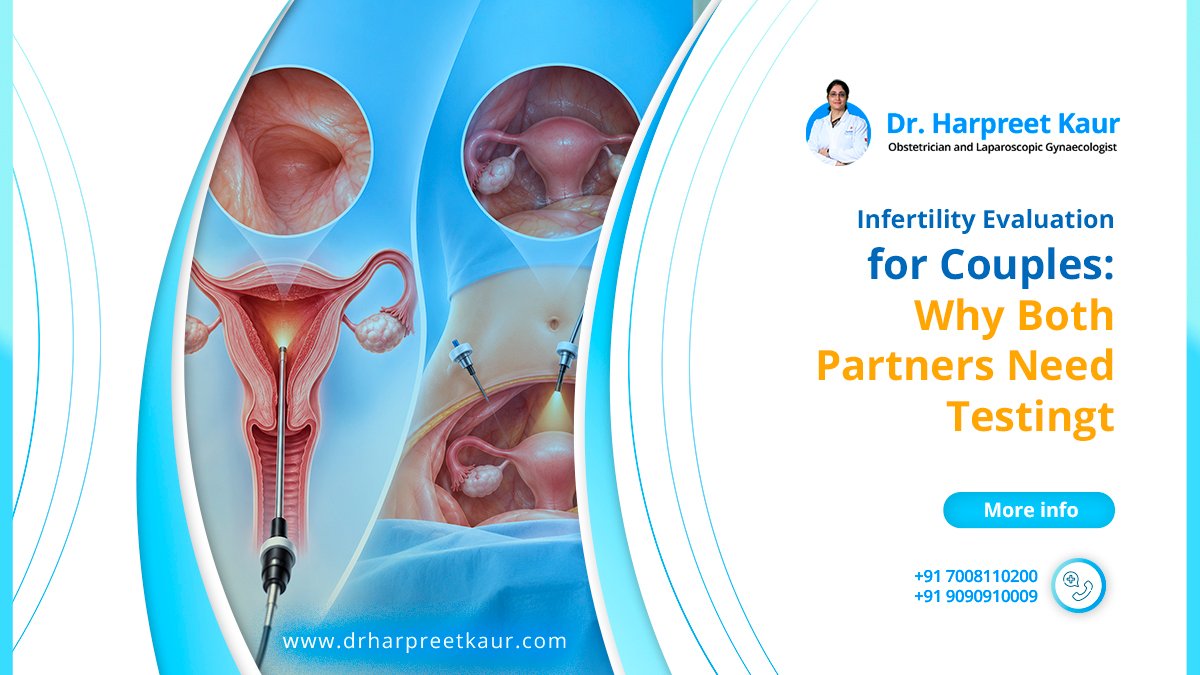
If your gynaecologist has recommended hysteroscopy or laparoscopy, you may have questions about why the procedure is needed, how it is performed and whether it will affect your fertility.
Although both are minimally invasive gynaecological procedures that use a camera, hysteroscopy and laparoscopy examine different parts of the reproductive system.
Hysteroscopy allows the doctor to look inside the uterus through the vagina and cervix, without making an abdominal incision. Laparoscopy involves inserting a camera through small incisions in the abdomen to examine the pelvic organs, including the uterus, ovaries and fallopian tubes.
Both procedures can help diagnose and treat certain gynaecological conditions. However, the choice depends on your symptoms, medical history, examination findings and treatment requirements.
Let’s understand the differences and when each procedure may be recommended.
What Is Hysteroscopy?
Hysteroscopy is a minimally invasive procedure used to examine the inside of the uterus, also known as the uterine cavity.
During the procedure, a thin instrument with a camera and light, called a hysteroscope, is gently passed through the vagina and cervix into the uterus.
The camera displays images of the uterine cavity on a screen, allowing the gynaecologist to examine the uterine lining and identify possible abnormalities.
Depending on the findings, certain conditions can also be treated during the same procedure.
Why Is Hysteroscopy Recommended?
Hysteroscopy is not limited to examining the uterus. Certain abnormalities can also be treated during the procedure.
Depending on the condition, the gynaecologist may:
- Remove endometrial polyps.
- Remove selected submucosal fibroids.
- Divide or remove intrauterine adhesions.
- Treat certain uterine cavity abnormalities.
- Take a tissue sample for further examination when indicated.
The exact procedure depends on the diagnosis and the treatment plan.
What Is Laparoscopy?
Laparoscopy is a minimally invasive surgical procedure used to examine the organs inside the abdomen and pelvis.
It is commonly called keyhole surgery because it is performed through small incisions rather than one large abdominal incision.
During the procedure, a thin instrument called a laparoscope, which has a camera and light, is inserted through a small incision, usually near the belly button.
The abdomen is gently filled with carbon dioxide gas to create space and allow the surgeon to see the internal organs more clearly.
Images from the camera appear on a monitor, allowing the gynaecologist to examine the uterus, ovaries, fallopian tubes and surrounding pelvic structures.
If a condition requiring treatment is identified, additional surgical instruments can be introduced through other small incisions.
Why Is Laparoscopy Recommended?
Laparoscopy may be recommended when a doctor needs to examine or treat conditions involving the pelvic organs or surrounding tissues.
Common reasons include:
- Endometriosis: Tissue similar to the uterine lining grows outside the uterus and may cause pelvic pain, painful periods or fertility difficulties.
- Ovarian cysts: Certain cysts may require surgical assessment or removal.
- Uterine fibroids: Selected fibroids may be removed through laparoscopic surgery.
- Pelvic adhesions: Bands of scar tissue may develop between pelvic organs and sometimes require surgical treatment.
- Ectopic pregnancy: Laparoscopy may be used to manage a pregnancy developing outside the uterus, depending on the clinical situation.
- Certain tubal conditions: It may help examine or treat selected problems involving the fallopian tubes.
- Chronic pelvic pain: It may be considered when other investigations suggest a pelvic condition that requires direct examination.
Laparoscopy is not necessary for every woman experiencing pelvic pain or infertility. The decision depends on the suspected condition and whether surgery is likely to provide useful diagnostic or therapeutic benefit.
What Can Be Done During Laparoscopy?
Depending on the findings and the planned surgery, a gynaecologist may:
- Remove endometriosis lesions.
- Remove selected ovarian cysts.
- Remove certain fibroids.
- Divide pelvic adhesions.
- Treat selected fallopian tube conditions.
- Perform other indicated gynaecological surgical procedures.
The treatment performed depends on the condition, its severity and the patient’s overall reproductive and medical health.
Hysteroscopy vs Laparoscopy: Key Differences
Although both procedures use a camera and are considered minimally invasive, their purpose and approach are different.
| Feature | Hysteroscopy | Laparoscopy |
|---|---|---|
| Main Purpose | Examines the inside of the uterus. | Examines the pelvic and abdominal organs. |
| Entry Route | Through the vagina and cervix. | Through small abdominal incisions. |
| Camera Instrument | Hysteroscope. | Laparoscope. |
| Area Examined | Uterine cavity and lining. | Uterus, ovaries, fallopian tubes and surrounding pelvic structures. |
| Common Uses | Polyps, adhesions, submucosal fibroids and uterine cavity abnormalities. | Endometriosis, ovarian cysts, pelvic adhesions and selected tubal conditions. |
| Abdominal Incision | Usually not required. | Required. |
| Anaesthesia | Depends on the type of procedure and patient. | Usually general anaesthesia. |
| Recovery | Often relatively quick, depending on the procedure. | Varies according to the extent of surgery. |
The most important difference is the area being examined. Hysteroscopy focuses on the inside of the uterus, whereas laparoscopy allows the surgeon to examine and operate on structures within the pelvis and abdomen.
What Is the Role of Hysteroscopy and Laparoscopy in Infertility?
Both procedures can have a role in fertility management, but they are used for different reasons.
Hysteroscopy for Infertility
The uterine cavity needs to provide a suitable environment for an embryo to implant and develop.
Certain abnormalities inside the uterus may affect reproductive outcomes. If ultrasound, HSG or other investigations suggest a problem within the uterine cavity, hysteroscopy may be recommended for direct assessment.
It can help identify conditions such as:
- Endometrial polyps.
- Submucosal fibroids.
- Intrauterine adhesions.
- Selected uterine cavity abnormalities.
When appropriate, these conditions may be treated during the same procedure.
However, hysteroscopy is not a routine requirement for every woman undergoing infertility treatment. It is generally recommended when there is a clinical reason to examine or treat the uterine cavity.
Laparoscopy for Infertility
Laparoscopy may be considered when there is a suspected problem involving the pelvic organs or surrounding tissues.
For example, it may help identify or treat:
- Endometriosis.
- Pelvic adhesions.
- Selected fallopian tube abnormalities.
- Certain ovarian conditions.
During laparoscopy, a procedure called chromopertubation may also be performed. A coloured dye is introduced through the cervix, and the surgeon observes whether it passes through the fallopian tubes.
This can provide information about tubal patency.
However, laparoscopy is not recommended as a routine test for every woman experiencing infertility. Less invasive investigations, such as ultrasound and HSG, are often used first to assess the reproductive organs and fallopian tubes.
The decision to perform laparoscopy should be based on the suspected condition and whether the findings could change treatment.
Can Hysteroscopy and Laparoscopy Be Performed Together?
Yes. In selected cases, hysteroscopy and laparoscopy can be performed during the same surgical session.
This may be considered when a woman has suspected abnormalities involving both the inside of the uterus and the pelvic organs.
For example, a patient may have:
- A uterine cavity abnormality that requires hysteroscopy.
- Suspected endometriosis or pelvic adhesions that require laparoscopy.
Performing both procedures together may allow the gynaecologist to examine and treat the relevant conditions during one planned surgical session.
However, combining the procedures is not necessary for everyone. The decision depends on the patient’s diagnosis, medical history, surgical requirements and overall suitability for the procedure.
Is Hysteroscopy or Laparoscopy Painful?
The experience depends on the procedure, the type of anaesthesia and individual circumstances.
During Hysteroscopy
Some diagnostic hysteroscopy procedures can be performed without general anaesthesia, while others may require local, regional or general anaesthesia.
You may experience cramping or discomfort during or after the procedure. The level of discomfort can vary depending on the procedure and whether treatment is being performed.
During Laparoscopy
Laparoscopy is generally performed under general anaesthesia, which means you will be asleep during the operation.
After surgery, some women experience:
- Mild abdominal discomfort.
- Bloating.
- Shoulder-tip pain caused by the gas used during the procedure.
- Tiredness or nausea.
- Discomfort around the incision sites.
Your healthcare team will provide appropriate pain relief and recovery instructions.
What Is the Recovery Time After Each Procedure?
Recovery depends on whether the procedure is diagnostic or operative and how much treatment is performed.
Recovery After Hysteroscopy
Many women can return home shortly after a straightforward hysteroscopy.
Many women can return home shortly after a straightforward hysteroscopy.
Some temporary symptoms may include:
- Mild abdominal cramping.
- Light vaginal spotting or bleeding.
- Mild discomfort for a short period.
Recovery may be longer after more extensive procedures, such as removal of fibroids or treatment of significant intrauterine adhesions.
Recovery After Laparoscopy
Recovery after laparoscopy depends on the extent of the surgery.
After a diagnostic procedure or minor treatment, many women can resume light activities relatively soon. More extensive operations, such as removal of an ovarian cyst or fibroid, may require a longer recovery period.
Temporary symptoms may include:
- Abdominal soreness.
- Bloating.
- Shoulder discomfort.
- Tiredness.
- Mild pain around the small incisions.
Your surgeon will explain when you can return to work, exercise, sexual activity and other normal routines.
There is no single recovery timeline that applies to every patient. Follow the instructions provided by your treating team.
What Are the Possible Risks of These Procedures?
Hysteroscopy and laparoscopy are commonly performed procedures, but like all medical and surgical procedures, they carry some risks.
Possible Risks of Hysteroscopy
These may include:
- Infection.
- Bleeding.
- Injury or perforation of the uterus or cervix.
- Complications related to the fluid used during the procedure.
The likelihood of complications depends on the type and complexity of the hysteroscopy.
Possible Risks of Laparoscopy
Potential complications may include:
- Bleeding.
- Infection.
- Injury to nearby organs, such as the bladder, bowel or blood vessels.
- Anaesthesia-related complications.
- Blood clots.
- The need to convert to open surgery in certain circumstances.
Your gynaecologist will explain the potential risks based on your health, diagnosis and planned procedure.
After either procedure, seek medical advice promptly if you develop fever, heavy bleeding, severe or worsening abdominal pain, fainting or other concerning symptoms.
Which Procedure Is Right for You?
There is no single procedure that is better for every woman. Hysteroscopy and laparoscopy serve different purposes, so the appropriate choice depends on the condition being investigated or treated.
Your gynaecologist may recommend hysteroscopy if the concern involves the uterine cavity.
Laparoscopy may be considered if there is a suspected problem involving the ovaries, fallopian tubes, endometriosis or pelvic adhesions.
In some situations, neither procedure may be necessary because the condition can be evaluated through less invasive investigations such as ultrasound, HSG or other imaging methods.
The decision should always be based on your symptoms, examination findings, investigation reports, fertility goals and overall health.
Frequently Asked Questions
Hysteroscopy is generally a minimally invasive procedure. Many diagnostic procedures are relatively straightforward, while operative hysteroscopy may involve more extensive treatment. The complexity and recovery depend on what needs to be done.
Neither procedure is universally better. They examine different areas of the reproductive system. Hysteroscopy examines the inside of the uterus, while laparoscopy examines the pelvic and abdominal organs.
It may help identify and treat certain abnormalities inside the uterine cavity, such as polyps, adhesions or selected fibroids. Whether it is appropriate depends on the findings from your fertility evaluation.
In selected cases, treating conditions such as endometriosis or pelvic adhesions may be relevant to fertility management. However, laparoscopy does not guarantee pregnancy and is not recommended as a routine investigation for every woman with infertility.
Pregnancy may be possible after either procedure, depending on the underlying condition, the treatment performed and other fertility factors. Your doctor will advise when it is appropriate to start trying to conceive again.
Not necessarily. Some women need only hysteroscopy, some may benefit from laparoscopy, and others may not need either procedure. Both may be performed together when there are appropriate indications.
A Final Word
Hysteroscopy and laparoscopy are valuable tools in modern gynaecological care, but they are designed for different purposes.
Hysteroscopy helps doctors examine and treat conditions inside the uterine cavity, while laparoscopy provides access to the pelvic and abdominal organs through small incisions.
If your gynaecologist has recommended either procedure, make sure you understand why it is needed, what the doctor expects to find and whether treatment can be performed at the same time.
The right procedure is not the most advanced one; it is the one that is appropriate for your medical condition and individual needs.
An informed discussion with your gynaecologist can help you understand your options and make decisions with greater confidence.