Clinic Location
Care n Cure Clinic, Nayapalli, Near Hotel Crown, Bhubaneswar
For Consultation
+91 7008110200
+91 9090910009
Work Hours
Mon - Fri : 05:30 - 07:30

- Home
- About Doctor
- Services
Postnatal care
Gynaecological services
- General Consultatnt
- Adolescent Clinic
- Well Women Clicnic
- Gynaecological Surgeries
- Gallery
- Your Pregnancy
- Training
- Contact
- Feedback
- Blog
- Home
- About Doctor
- Services
Postnatal care
Gynaecological services
- General Consultatnt
- Adolescent Clinic
- Well Women Clicnic
- Gynaecological Surgeries
- Gallery
- Your Pregnancy
- Training
- Contact
- Feedback
- Blog

- Home
- About Doctor
- Services
Postnatal care
Gynaecological services
- General Consultatnt
- Adolescent Clinic
- Well Women Clicnic
- Gynaecological Surgeries
- Gallery
- Your Pregnancy
- Training
- Contact
- Feedback
- Blog
The Connection Between Gut Health and Hormonal Balance: What Every Woman Should Know
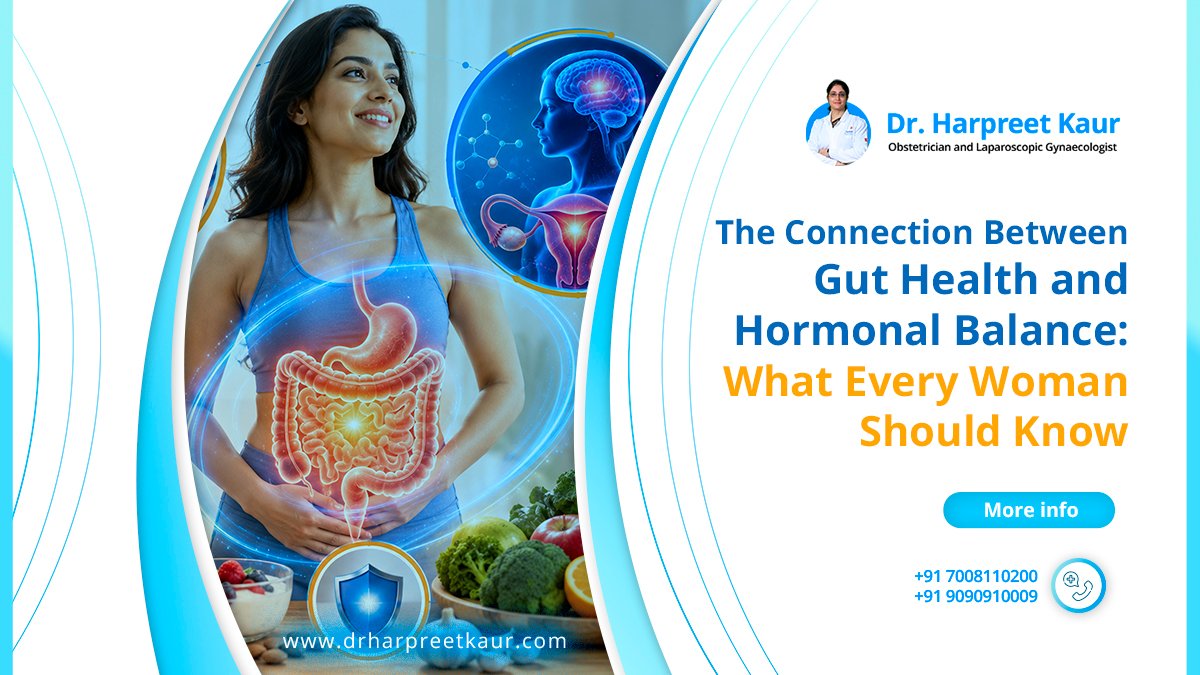
Your Gut Does More Than Help You Digest Food
When most people think about gut health, they think about digestion—bloating, constipation, acidity, or stomach discomfort. While these are certainly important, the gut plays a much bigger role in your overall health than many people realize.
Inside your digestive system lives a complex community of trillions of microorganisms, collectively known as the gut microbiome. These bacteria, viruses, fungi, and other microbes work together to support digestion, immune function, nutrient absorption, and even aspects of hormonal regulation.
For women, maintaining a healthy gut is increasingly recognized as an important part of overall well-being. Although the gut is not the sole controller of hormones, it can influence how certain hormones are processed and eliminated by the body.
This doesn’t mean every hormonal problem begins in the gut—but it does mean that looking after your digestive health may also support your reproductive and metabolic health.
Quick Answer
Gut health and hormonal balance are closely connected. A healthy gut microbiome helps support digestion, nutrient absorption, immune function, and the normal metabolism of certain hormones such as estrogen. While gut health alone cannot prevent or cure hormonal conditions like PCOS or menopause, maintaining a balanced diet, eating enough fibre, staying physically active, and supporting a diverse gut microbiome may contribute to overall hormonal well-being.
What Is the Gut Microbiome?
Your digestive tract is home to trillions of microorganisms that together form the gut microbiome.
Although the word “bacteria” often sounds negative, many of these microorganisms are beneficial. They help your body:
- Break down certain foods
- Produce some vitamins
- Support immune function
- Protect against harmful microbes
- Assist in nutrient absorption
Every person’s gut microbiome is unique and influenced by factors such as diet, age, medications, physical activity, stress, sleep, and even early childhood experiences.
Rather than aiming for a “perfect” microbiome, the goal is to support a healthy and diverse microbial community.
How Are Gut Health and Hormones Connected?
The relationship between the gut and hormones is complex and works in both directions.
Hormones influence digestive function, while the gut microbiome plays a role in how certain hormones are metabolized.
One example is estrogen.
Certain beneficial gut bacteria help regulate how estrogen is processed and eliminated. Researchers sometimes refer to this collection of bacteria as the estrobolome.
When the gut microbiome is healthy and diverse, estrogen metabolism tends to function more efficiently.
However, many other organs—including the ovaries, adrenal glands, liver, and brain—also play essential roles in hormone regulation. This is why hormonal balance should always be viewed as a whole-body process rather than something controlled by a single organ.
Can Hormonal Changes Affect the Gut?
Absolutely.
Many women notice digestive changes at different stages of life, including:
- Before their menstrual period
- During pregnancy
- Around menopause
- During periods of increased stress
Hormonal fluctuations may influence:
- Bloating
- Constipation
- Diarrhea
- Appetite
- Digestive comfort
This is one reason why digestive symptoms sometimes appear alongside hormonal changes.
Understanding this connection helps explain why women may experience both digestive and reproductive symptoms at the same time
Gut Health and Estrogen: Why Does It Matter?
Estrogen is involved in many aspects of women’s health, including:
- Menstrual cycles
- Bone health
- Heart health
- Vaginal health
- Skin health
After estrogen has been used by the body, it is processed by the liver and passes into the digestive tract for elimination.
Certain beneficial gut bacteria help regulate this process.
While research into the gut microbiome continues to evolve, scientists believe that maintaining a healthy gut may contribute to healthy estrogen metabolism as part of an overall healthy lifestyle.
It’s important to remember that gut health alone does not treat conditions caused by hormonal imbalance, but it may support the body’s natural regulatory processes.
Can Gut Health Affect Conditions Like PCOS or Menopause?
This is an area of active research, and many women are understandably curious.
PCOS
Women with PCOS often experience metabolic changes, insulin resistance, and inflammation.
Researchers are investigating how gut microbiome diversity may be associated with these changes.
While early findings are promising, there is currently no evidence that improving gut health alone can cure PCOS.
Instead, gut-friendly habits—such as eating a balanced diet, maintaining a healthy weight, exercising regularly, and getting enough sleep—can support overall health and complement medical treatment.
Menopause
During menopause, hormonal changes may influence both digestion and the composition of the gut microbiome.
Some women notice:
- Increased bloating
- Changes in bowel habits
- Weight changes
- Reduced digestive comfort
Healthy lifestyle habits become particularly important during this stage of life, supporting both digestive and overall health.
Why Fibre Is One of the Best Foods for Your Gut
When people think about gut health, probiotics often get all the attention.
However, one of the most valuable nutrients for your gut is dietary fibre.
Fibre serves as food for beneficial gut bacteria, helping them grow and thrive.
Excellent sources include:
- Fruits
- Vegetables
- Whole grains
- Lentils
- Beans
- Chickpeas
- Oats
- Flaxseeds
- Nuts
Increasing fibre intake gradually and drinking enough water can help reduce digestive discomfort.
Dr. Harpreet Kaur's Clinical Perspective
Many women come to the clinic wondering if a single probiotic supplement or a specific “gut detox” can solve hormonal problems. In reality, there is no quick fix.
Supporting gut health is about consistent, everyday habits—eating a balanced diet, staying active, managing stress, sleeping well, and addressing medical conditions with appropriate care. These lifestyle measures benefit not only your digestive system but your overall health, including hormonal well-being.
Probiotics vs. Prebiotics: What's the Difference?
The terms probiotics and prebiotics are often used interchangeably, but they play different roles in supporting gut health.
Probiotics
Probiotics are live beneficial microorganisms that may help maintain a healthy balance of gut bacteria when consumed in adequate amounts.
Natural food sources include:
- Yogurt with live cultures
- Kefir
- Traditional fermented foods
- Some fermented vegetables
Not every probiotic works the same way, and different strains have different effects. Choosing a probiotic supplement should ideally be based on individual health needs and your healthcare provider’s advice.
Prebiotics
Prebiotics are types of dietary fibre that nourish beneficial gut bacteria.
Good sources include:
- Garlic
- Onions
- Bananas
- Oats
- Apples
- Chicory root
- Whole grains
- Lentils
Think of prebiotics as the “food” that helps healthy gut bacteria grow and thrive.
For many people, eating a fibre-rich, varied diet is one of the simplest ways to support gut health.
Foods That Support Both Gut and Hormonal Health
There is no single “superfood” that balances hormones overnight. Instead, a balanced dietary pattern is far more effective than focusing on individual foods.
Consider including:
Colourful Fruits and Vegetables
These provide:
- Fibre
- Antioxidants
- Vitamins
- Minerals
Aim to include a variety of colours throughout the week to support microbiome diversity.
Whole Grains
Examples include:
- Brown rice
- Oats
- Whole wheat
- Millets
- Quinoa
Whole grains contain fibre that supports healthy digestion and beneficial gut bacteria.
Healthy Protein Sources
Protein supports muscle health, metabolism, and overall wellness.
Include options such as:
- Lentils
- Beans
- Eggs
- Fish
- Lean poultry
- Tofu
- Dairy products
Healthy Fats
Healthy fats contribute to overall health and may help reduce inflammation as part of a balanced diet.
Examples include:
- Nuts
- Seeds
- Olive oil
- Fatty fish
- Avocados
Lifestyle Habits That Influence Gut Health
Your daily habits shape your gut microbiome just as much as your diet.
Stay Physically Active
Regular exercise has been associated with a healthier and more diverse gut microbiome.
Aim for at least 150 minutes of moderate physical activity each week, along with strength-training exercises on two or more days, if appropriate for your health.
Sleep Well
Poor-quality sleep can affect both digestive health and hormone regulation.
Most adults benefit from 7–9 hours of quality sleep each night.
Maintaining a consistent sleep schedule also supports your body’s natural rhythms.
Use Antibiotics Responsibly
Antibiotics can be lifesaving when needed, but they may also temporarily affect the balance of beneficial gut bacteria.
Always take antibiotics only as prescribed and avoid using them unnecessarily.
Stay Hydrated
Adequate water intake supports healthy digestion and helps dietary fibre work effectively.
Simple habits like drinking water throughout the day and limiting sugary beverages can contribute to overall digestive health.
Can Stress Affect Both Your Gut and Hormones?
Yes.
The gut and brain communicate through what’s known as the gut-brain axis, a two-way communication network involving the nervous system, hormones, and the immune system.
When stress becomes chronic, it may contribute to:
- Changes in bowel habits
- Bloating
- Reduced digestive comfort
- Poor sleep
- Increased fatigue
Stress can also influence hormonal regulation through its effects on the body’s stress hormones.
While occasional stress is a normal part of life, ongoing stress management is an important aspect of both digestive and hormonal health.
Healthy strategies include:
- Regular exercise
- Mindfulness or meditation
- Deep breathing
- Spending time outdoors
- Maintaining social connections
- Seeking professional support when needed
Can Improving Gut Health Fix Hormonal Problems?
This is one of the most common misconceptions.
The answer is no—not on its own.
Hormonal conditions such as:
- PCOS
- Thyroid disorders
- Endometriosis
- Menopause-related symptoms
- Premature ovarian insufficiency
are influenced by many factors, including genetics, hormones, metabolism, lifestyle, and underlying medical conditions.
Supporting gut health is one part of a comprehensive approach to overall wellness. It should complement—not replace—medical evaluation and evidence-based treatment when needed.
Common Myths About Gut Health
Myth: All probiotics are the same.
Fact: Different probiotic strains have different effects. Not every product is suitable for every person.
Myth: A gut detox can balance hormones.
Fact: There is no scientific evidence that commercial detox products cleanse the gut or correct hormonal imbalances.
Myth: Digestive problems always indicate poor gut bacteria.
Fact: Bloating, abdominal discomfort, or changes in bowel habits can have many possible causes and should be assessed if persistent.
Myth: Gut health only affects digestion.
Fact: The gut influences many aspects of health, including immunity, metabolism, and nutrient absorption, making it an important part of overall well-being.
Myth: One probiotic supplement can solve every gut problem.
Fact: Long-term gut health depends on consistent lifestyle habits, a balanced diet, regular physical activity, adequate sleep, and appropriate medical care—not a single supplement.
When Should You Consult a Gynecologist?
While occasional digestive discomfort is common, persistent symptoms should not be ignored—especially when they occur alongside menstrual or hormonal concerns.
Consider consulting a gynecologist if you experience:
- Irregular menstrual cycles
- Persistent bloating
- Severe menstrual pain
- Symptoms suggestive of PCOS
- Menopause-related concerns affecting your quality of life
- Pain during intercourse
- Difficulty conceiving
- Ongoing pelvic pain
- Hormonal symptoms that interfere with daily activities
A gynecologist can evaluate whether your symptoms may be related to hormonal changes, reproductive health conditions, or whether additional assessment is needed.
Frequently Asked Questions
Gut health may influence how certain hormones are metabolized, but hormonal imbalance usually has multiple contributing factors. Persistent symptoms should always be evaluated by a healthcare professional.
A diet rich in fruits, vegetables, whole grains, legumes, fermented foods, and adequate water supports a healthy gut microbiome.
Not necessarily. Many women can support their gut health through a balanced diet. Probiotic supplements may be appropriate in certain situations, but they should be chosen based on individual needs and medical advice.
Research suggests there may be a relationship between gut health and metabolic changes seen in PCOS. However, improving gut health alone does not treat or cure PCOS.
Yes. Hormonal changes during menopause may contribute to bloating, changes in bowel habits, and digestive discomfort in some women.
They serve different purposes. Fibre feeds beneficial gut bacteria, while probiotics introduce live microorganisms. Both can play a role in supporting gut health as part of a balanced lifestyle.
Yes. Chronic stress can influence digestion, bowel habits, appetite, and the gut-brain axis, making stress management an important aspect of overall health.
Many fermented foods contain beneficial microorganisms and can be part of a healthy diet, though their effects vary depending on the food and the individual.
There is no fixed timeline. Consistent healthy eating, regular exercise, good sleep, and stress management support long-term gut health over time.
Consult a healthcare professional if you have persistent bloating, ongoing abdominal pain, unexplained weight loss, blood in the stool, severe changes in bowel habits, or digestive symptoms accompanied by menstrual or hormonal concerns.
Key Takeaways
Gut health and hormonal balance are closely connected, but neither exists in isolation. A healthy gut microbiome supports digestion, nutrient absorption, immune function, and the normal metabolism of certain hormones, while hormones themselves can influence digestive health.
Although gut-friendly habits cannot replace medical treatment for conditions such as PCOS, endometriosis, or menopause-related concerns, they form an important part of a healthy lifestyle. Eating a balanced diet, staying active, managing stress, sleeping well, and seeking timely medical advice can all contribute to better overall well-being.
Conclusion
The relationship between gut health and hormonal balance highlights how interconnected the body’s systems truly are. Looking after your digestive health isn’t just about preventing bloating or improving digestion—it’s about supporting your overall health, including the way your body manages hormones.
Rather than searching for quick fixes or miracle supplements, focus on sustainable lifestyle habits that nourish both your gut and your long-term well-being. If you’re experiencing persistent digestive symptoms alongside menstrual irregularities, menopause-related changes, or other hormonal concerns, a comprehensive medical evaluation can help identify the underlying cause and guide appropriate treatment.