Clinic Location
Care n Cure Clinic, Nayapalli, Near Hotel Crown, Bhubaneswar
For Consultation
+91 7008110200
+91 9090910009
Work Hours
Mon - Fri : 05:30 - 07:30

- Home
- About Doctor
- Services
Postnatal care
Gynaecological services
- General Consultatnt
- Adolescent Clinic
- Well Women Clicnic
- Gynaecological Surgeries
- Gallery
- Your Pregnancy
- Training
- Contact
- Feedback
- Blog
- Home
- About Doctor
- Services
Postnatal care
Gynaecological services
- General Consultatnt
- Adolescent Clinic
- Well Women Clicnic
- Gynaecological Surgeries
- Gallery
- Your Pregnancy
- Training
- Contact
- Feedback
- Blog

- Home
- About Doctor
- Services
Postnatal care
Gynaecological services
- General Consultatnt
- Adolescent Clinic
- Well Women Clicnic
- Gynaecological Surgeries
- Gallery
- Your Pregnancy
- Training
- Contact
- Feedback
- Blog
Why Are More Women Choosing Laparoscopic Gynecological Surgery? Benefits, Recovery & Common Questions
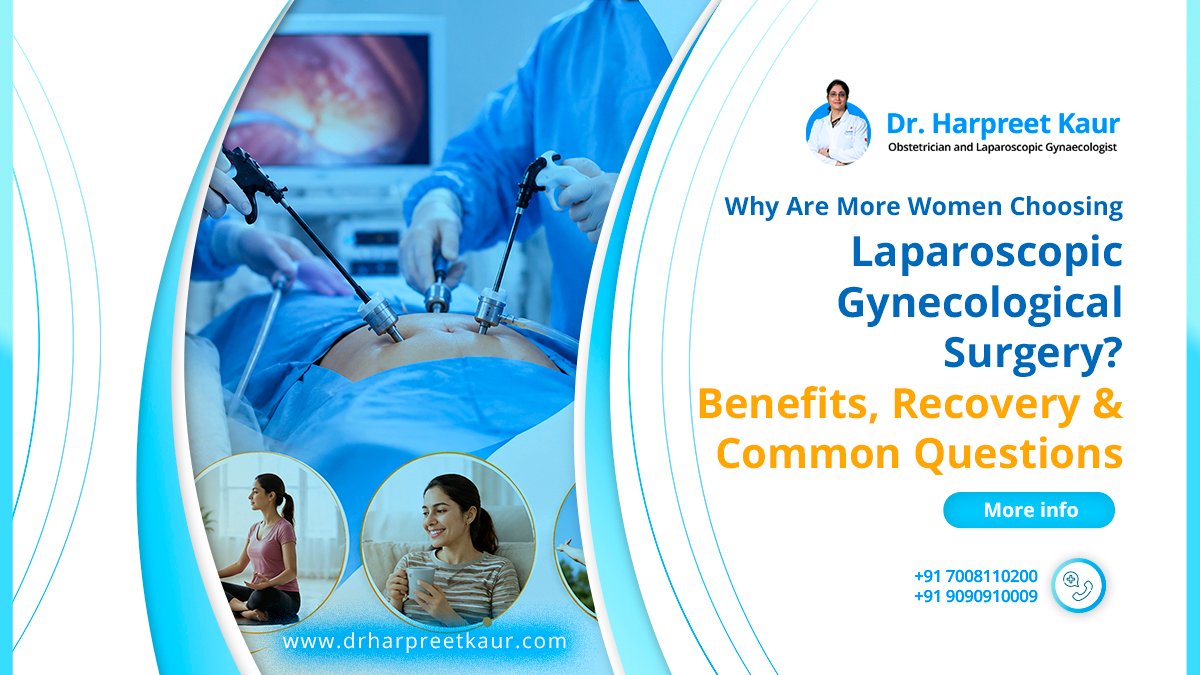
When Surgery Becomes Necessary, the Type of Surgery Matters
Hearing the words “You may need surgery” can be overwhelming. It’s natural to have questions, concerns, and even fears about the procedure, recovery, and how it might affect your daily life.
Fortunately, advances in gynecological surgery have transformed the way many conditions are treated. Today, many women who once required large abdominal incisions may be candidates for laparoscopic gynecological surgery, also known as minimally invasive or keyhole surgery.
Instead of a long incision, laparoscopic surgery is performed through a few small openings using specialized instruments and a tiny camera. This allows the surgeon to operate with precision while minimizing trauma to surrounding tissues.
For many women, this means less pain, quicker recovery, and an earlier return to normal life. However, laparoscopic surgery is not suitable for every condition or every patient, making individualized medical assessment essential.
Quick Answer
Laparoscopic gynecological surgery is a minimally invasive surgical technique used to diagnose and treat various gynecological conditions through small incisions. Compared with traditional open surgery, it often results in less postoperative pain, smaller scars, shorter hospital stays, and faster recovery. However, the most appropriate surgical approach depends on the individual’s condition, overall health, and treatment goals.
Key Takeaways
- Laparoscopic surgery uses small incisions instead of one large abdominal cut.
- It is commonly used to treat conditions such as endometriosis, ovarian cysts, fibroids, and some gynecological disorders.
- Many women recover more quickly than after traditional open surgery.
- Every patient requires an individualized surgical plan.
- Choosing an experienced gynecological surgeon is an important part of achieving the best possible outcome.
What Is Laparoscopic Gynecological Surgery?
Laparoscopic surgery is a modern surgical technique that enables gynecologists to perform many procedures using specialized instruments inserted through small incisions in the abdomen.
A thin instrument called a laparoscope, which contains a camera and light source, provides a magnified view of the pelvic organs on a monitor. Additional small instruments are inserted through separate incisions to complete the procedure.
Unlike traditional open surgery, where a larger incision is required to access the pelvis, laparoscopic surgery minimizes tissue disruption while allowing the surgeon to perform complex procedures with precision.
The exact number and size of the incisions vary depending on the type of surgery being performed.
Which Gynecological Conditions Can Be Treated Laparoscopically?
Not every gynecological condition requires surgery, and not every surgery can be performed laparoscopically. However, advances in minimally invasive techniques have expanded the range of conditions that can often be managed through this approach.
Depending on the patient’s individual circumstances, laparoscopic surgery may be considered for conditions such as:
- Endometriosis
- Ovarian cysts
- Uterine fibroids
- Ectopic pregnancy
- Chronic pelvic pain
- Certain cases of adenomyosis
- Pelvic adhesions
- Some hysterectomies
- Myomectomy (fibroid removal)
- Diagnostic evaluation when other investigations remain inconclusive
The decision depends on several factors, including the nature of the condition, its severity, previous surgeries, future fertility plans, and the surgeon’s clinical assessment.
Why Are More Women Choosing Laparoscopic Surgery?
The increasing popularity of laparoscopic surgery is not simply because it is newer—it’s because, for appropriately selected patients, it can offer meaningful advantages over traditional open surgery.
1. Smaller Incisions
One of the most noticeable differences is the size of the surgical incisions.
Rather than a single larger abdominal incision, laparoscopic surgery usually involves a few small openings through which the camera and instruments are inserted.
Smaller incisions often mean:
- Less tissue trauma
- Smaller scars
- Reduced wound-related discomfort
- Better cosmetic outcomes
While cosmetic appearance should never be the primary reason for choosing surgery, many women appreciate the smaller scars associated with minimally invasive procedures.
2. Less Postoperative Pain
Because the muscles and tissues are disturbed less during laparoscopic surgery, many women experience lower levels of postoperative pain compared with traditional open procedures.
This may reduce the need for strong pain medications and make early movement after surgery more comfortable.
However, every patient’s experience is unique, and the amount of discomfort depends on the specific procedure performed.
3. Faster Recovery
One of the biggest reasons women ask about laparoscopic surgery is recovery time.
Although recovery varies depending on the procedure and the individual’s overall health, many women are able to:
- Walk sooner after surgery
- Resume light daily activities earlier
- Return to work more quickly
- Spend less time in the hospital
Recovery should never be rushed, however. Following your surgeon’s postoperative instructions remains essential for optimal healing.
4. Reduced Risk of Certain Complications
Every surgical procedure carries some degree of risk.
For carefully selected patients, laparoscopic surgery may reduce the likelihood of certain wound-related complications, such as infection or delayed healing, because the incisions are much smaller.
That said, no surgery is completely risk-free. Your gynecologist will discuss the potential benefits and risks based on your individual medical situation.
5. Better Magnification for the Surgeon
One advantage that many patients don’t realize is that the laparoscopic camera provides a magnified, high-definition view of the pelvic organs.
This enhanced visualization can help surgeons carefully identify delicate structures while performing intricate procedures, particularly in conditions such as endometriosis or pelvic adhesions.
The quality of the outcome, however, depends not only on the technology but also on the surgeon’s expertise and experience.
Dr. Harpreet Kaur's Clinical Perspective
Many women are understandably nervous when surgery is recommended. One of the most common concerns is whether they will be able to return to their normal routine quickly.
While minimally invasive surgery has made recovery easier for many patients, the decision to perform laparoscopic surgery should always be based on what is safest and most appropriate for the individual’s condition—not simply because it is a newer technique.
An informed discussion with your gynecologist helps ensure that the chosen treatment aligns with your symptoms, future fertility plans, and overall health.
How Should You Prepare for Laparoscopic Surgery?
If your gynecologist recommends laparoscopic surgery, it’s natural to feel anxious. Knowing what to expect beforehand can help you feel more confident and prepared.
Before surgery, your doctor will explain:
- Why the procedure is recommended
- The expected benefits
- Possible alternatives, if available
- Potential risks and complications
- The expected recovery process
Depending on your health and the planned procedure, you may also undergo:
- Blood tests
- Urine tests
- ECG (if indicated)
- Chest X-ray (when necessary)
- Pelvic ultrasound or MRI
- Anaesthesia evaluation
You’ll also receive instructions about fasting before surgery, medications that may need to be temporarily stopped, and what to bring to the hospital.
Don’t hesitate to ask questions. Understanding your treatment plan helps you make informed decisions and reduces unnecessary anxiety.
What Happens During Laparoscopic Gynecological Surgery?
Laparoscopic surgery is performed under general anaesthesia, so you’ll be asleep and won’t feel pain during the procedure.
After you’re asleep:
- Small incisions are made in the abdomen.
- Carbon dioxide gas is gently introduced to create space inside the abdomen, allowing the surgeon to see the pelvic organs clearly.
- A laparoscope (a thin camera) is inserted through one incision.
- Additional surgical instruments are introduced through the other small incisions.
- The planned procedure is carried out while the surgeon views a magnified image of the pelvic organs on a monitor.
The duration of surgery varies depending on the complexity of the condition being treated.
Once the procedure is complete, the instruments are removed, the gas is released, and the small incisions are closed.
What Is Recovery Like After Laparoscopic Surgery?
One of the biggest advantages of minimally invasive surgery is that recovery is often quicker than with traditional open surgery. However, recovery still takes time, and healing varies from person to person.
During the First 24 Hours
- Get out of bed and walk with assistance
- Drink fluids as advised
- Begin eating light meals once approved by the medical team
It’s common to experience:
- Mild abdominal discomfort
- Tiredness
- Shoulder pain caused by the gas used during surgery (this usually improves within a day or two)
- Light vaginal spotting, depending on the procedure
The First Week
Many women gradually return to light household activities during the first week.
Your doctor may advise you to:
- Avoid lifting heavy objects
- Keep the incision sites clean and dry
- Take prescribed medications as directed
- Attend your scheduled follow-up appointment
Listen to your body. Even if the small incisions look healed, your body is still recovering internally.
Returning to Work and Exercise
The timeline depends on the type of surgery performed.
Women who undergo simpler laparoscopic procedures may return to desk-based work sooner than those recovering from more complex surgeries.
Exercise should be resumed gradually and only after your gynecologist confirms that it is safe to do so.
Can Laparoscopic Surgery Help Preserve Fertility?
For many women, preserving fertility is an important consideration when surgery is recommended.
Depending on the condition being treated, laparoscopic surgery may help improve fertility by:
- Removing endometriosis lesions
- Treating ovarian cysts while preserving healthy ovarian tissue whenever possible
- Removing selected uterine fibroids
- Releasing pelvic adhesions that may interfere with normal reproductive function
However, surgery is not necessary for every woman trying to conceive, and not every fertility problem requires an operation.
The decision is always individualized based on:
- Age
- Symptoms
- Fertility goals
- Imaging findings
- Overall reproductive health
Are There Any Risks?
Although laparoscopic surgery is considered safe and is widely performed, every surgical procedure carries some degree of risk.
Possible risks include:
- Bleeding
- Infection
- Injury to nearby organs such as the bladder, bowel, or ureter
- Anaesthesia-related complications
- Blood clots (rare)
- Conversion to open surgery if required for safety
It’s important to remember that these complications are uncommon, and your surgeon takes multiple precautions to reduce their likelihood.
A detailed discussion before surgery allows you to understand both the benefits and potential risks.
When Might Open Surgery Still Be the Better Option?
Many patients assume that laparoscopic surgery is always the best choice.
In reality, that’s not true.
Certain situations may require traditional open surgery, including:
- Very large fibroids
- Extensive pelvic adhesions
- Some advanced cancers
- Emergency situations
- Complex surgical findings identified during the procedure
The safest surgical approach is the one that best suits your individual medical condition—not necessarily the least invasive one.
An experienced gynecologist will recommend the option that offers the best balance of safety and effectiveness.
Common Myths About Laparoscopic Surgery
Myth: Keyhole surgery is only for minor problems.
Fact: Many complex gynecological procedures can now be performed laparoscopically by appropriately trained surgeons.
Myth: Smaller incisions mean it’s not a major operation.
Fact: Although the incisions are small, laparoscopic surgery is still a significant medical procedure requiring proper preparation and recovery.
Myth: Recovery is instant.
Fact: Most women recover faster than after open surgery, but internal healing still takes time.
Myth: Every woman is suitable for laparoscopic surgery.
Fact: The most appropriate surgical approach depends on the condition being treated, the patient’s health, and the surgeon’s assessment.
When Should You Discuss Laparoscopic Surgery with Your Gynecologist?
It may be appropriate to discuss minimally invasive surgery if you have:
- Persistent pelvic pain
- Endometriosis
- Symptomatic ovarian cysts
- Fibroids causing significant symptoms
- Recurrent pelvic adhesions
- Heavy menstrual bleeding requiring surgical treatment
- An ectopic pregnancy requiring surgery
- A gynecological condition that has not improved with medical treatment
Your gynecologist will evaluate whether laparoscopic surgery is appropriate for your specific situation.
Frequently Asked Questions
You won’t feel pain during the procedure because it is performed under general anaesthesia. Mild discomfort after surgery is expected but is usually manageable with prescribed medications.
Most procedures involve a few small incisions, although the number and size vary depending on the operation being performed.
Recovery depends on the type of surgery and individual healing. Many women return to light daily activities sooner than after open surgery, but complete recovery may take several weeks.
Yes, but the scars are usually much smaller than those associated with traditional open surgery and often become less noticeable over time.
Yes. Laparoscopic surgery is commonly used to diagnose and treat endometriosis when appropriate.
For appropriately selected patients, laparoscopic surgery offers several advantages. However, the safest option depends on your individual condition rather than the surgical technique alone.
Many women stay for a short period after surgery, although the length of stay depends on the procedure performed and how well they recover.
Many women conceive naturally after laparoscopic procedures, particularly when surgery addresses conditions affecting fertility. Outcomes vary depending on the underlying condition.
You should only resume driving when you can move comfortably, are no longer taking medications that impair alertness, and your doctor confirms it is safe.
Seek medical advice if you develop:
- Fever
- Increasing abdominal pain
- Heavy vaginal bleeding
- Persistent vomiting
- Redness or discharge from the incision
- Difficulty passing urine or stool
Key Takeaways
Laparoscopic gynecological surgery has transformed the treatment of many women’s health conditions by offering a minimally invasive alternative to traditional open surgery. For appropriately selected patients, it can mean smaller incisions, less postoperative discomfort, shorter hospital stays, and a quicker return to everyday life.
However, the decision to undergo laparoscopic surgery should always be based on a careful evaluation of your symptoms, diagnosis, overall health, and future reproductive goals. A personalized treatment plan developed in consultation with an experienced gynecologist remains the foundation of safe and effective care.
Conclusion
Advances in minimally invasive gynecological surgery have given many women more treatment options than ever before. While laparoscopic surgery offers significant benefits for many conditions, it’s important to remember that no single approach is right for everyone.
If you’ve been advised to undergo surgery for endometriosis, fibroids, ovarian cysts, chronic pelvic pain, or another gynecological condition, take the time to discuss all available options with your gynecologist. Understanding the benefits, limitations, recovery process, and expected outcomes will help you make an informed decision that is best suited to your individual needs.
With the right guidance and timely treatment, many women are able to recover well and return to their daily lives with improved health and confidence.