Clinic Location
Care n Cure Clinic, Nayapalli, Near Hotel Crown, Bhubaneswar
For Consultation
+91 7008110200
+91 9090910009
Work Hours
Mon - Fri : 05:30 - 07:30

- Home
- About Doctor
- Services
Postnatal care
Gynaecological services
- General Consultatnt
- Adolescent Clinic
- Well Women Clicnic
- Gynaecological Surgeries
- Gallery
- Your Pregnancy
- Training
- Contact
- Feedback
- Blog
- Home
- About Doctor
- Services
Postnatal care
Gynaecological services
- General Consultatnt
- Adolescent Clinic
- Well Women Clicnic
- Gynaecological Surgeries
- Gallery
- Your Pregnancy
- Training
- Contact
- Feedback
- Blog

- Home
- About Doctor
- Services
Postnatal care
Gynaecological services
- General Consultatnt
- Adolescent Clinic
- Well Women Clicnic
- Gynaecological Surgeries
- Gallery
- Your Pregnancy
- Training
- Contact
- Feedback
- Blog
Working Women & Reproductive Health: Managing Balance
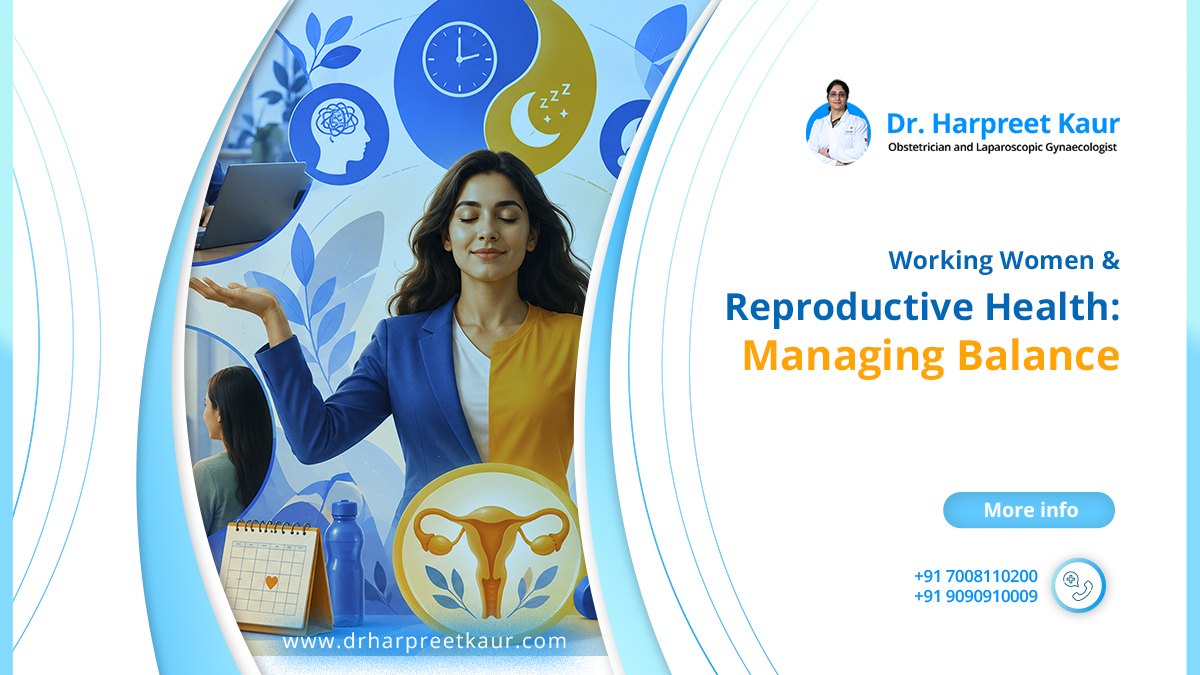
In today’s fast-paced world, women are successfully managing demanding careers while balancing personal responsibilities. However, in the process, working women reproductive health often takes a backseat. Long working hours, high stress levels, irregular schedules, and lifestyle habits can significantly influence hormonal balance and fertility.
Understanding the connection between career demands and reproductive well-being is essential. With the right awareness and proactive steps, women can maintain a healthy balance between professional success and reproductive health.
The Link Between Work-Life Balance and Fertility
Achieving a healthy work life balance and fertility is more important than many realize. A hectic schedule can disrupt daily routines, eating patterns, and sleep cycles—all of which play a vital role in reproductive health.
When the body is under constant stress:
- Hormonal signals can become irregular
- Ovulation may be delayed or inconsistent
- Menstrual cycles can be affected
Maintaining balance is not just about productivity—it directly impacts fertility outcomes and overall well-being.
Stress and Reproductive Health: What You Need to Know
The relationship between stress and reproductive health is complex but significant. Chronic stress can interfere with the hypothalamus, the part of the brain that regulates hormones responsible for ovulation.
How stress affects reproductive health:
- Delayed or missed ovulation
- Hormonal imbalances
- Reduced libido
- Increased risk of conditions like PCOS
While stress alone may not always cause infertility, it can contribute to difficulties in conceiving, especially when combined with other factors.
Irregular Periods in Working Women
One of the most common concerns among professionals is irregular periods in working women. Busy lifestyles often lead to skipped meals, poor sleep, and high stress levels, all of which disrupt menstrual regularity.
Possible causes include:
- Hormonal imbalance
- Sudden weight changes
- Excessive caffeine intake
- Shift work or night schedules
Irregular cycles are often the body’s way of signaling that something is out of balance and should not be ignored.
Career and Fertility Planning
Modern women are increasingly prioritizing career growth, which makes career and fertility planning a crucial discussion. Delaying pregnancy is a personal choice, but it’s important to understand how age impacts fertility.
Key considerations:
- Fertility gradually declines after age 30
- Egg quality reduces over time
- Planning ahead allows for better reproductive choices
Women should be empowered with knowledge to make informed decisions about family planning without compromising career goals.
PCOS and Stress: A Growing Concern
The connection between PCOS and stress is becoming increasingly evident, especially among working women. Polycystic Ovary Syndrome (PCOS) is a common hormonal disorder that can be aggravated by lifestyle factors.
How stress worsens PCOS:
- Increases insulin resistance
- Disrupts hormone levels
- Leads to weight gain and irregular cycles
Managing stress effectively is a key component in controlling PCOS symptoms and improving reproductive health.
Lifestyle Impact on Fertility
The lifestyle impact on fertility cannot be overstated. Daily habits play a significant role in determining reproductive health outcomes.
Key lifestyle factors affecting fertility:
- Poor diet lacking essential nutrients
- Sedentary work routines
- Lack of physical activity
- Smoking and alcohol consumption
- Inadequate sleep
Even small, consistent improvements in lifestyle can positively influence fertility and hormonal balance.
Managing Hormones with a Busy Lifestyle
One of the biggest challenges for professionals is managing hormones with a busy lifestyle. While it may seem difficult, simple adjustments can create a meaningful impact.
Practical tips:
- Maintain regular meal timings
- Include nutrient-rich foods (iron, folic acid, protein)
- Prioritize 7–8 hours of sleep
- Incorporate light exercise like walking or yoga
- Take short breaks to reduce stress during work
Consistency is key when it comes to maintaining hormonal health.
Reproductive Health Tips for Professionals
Balancing work and health requires conscious effort. Here are some effective reproductive health tips for professionals:
1. Listen to Your Body
Don’t ignore symptoms like irregular periods, fatigue, or pelvic discomfort.
2. Schedule Regular Check-ups
Preventive care helps detect issues early and ensures timely management.
3. Manage Stress Proactively
Practice mindfulness, meditation, or relaxation techniques.
4. Stay Physically Active
Even 20–30 minutes of activity daily can improve hormone regulation.
5. Plan Ahead
If you intend to delay pregnancy, discuss options like fertility preservation with a specialist.
Breaking the Silence Around Women’s Health
Despite increasing awareness, many working women hesitate to discuss reproductive health concerns openly. Workplace culture, time constraints, and social stigma often prevent timely medical consultation.
Encouraging open conversations and prioritizing health is essential. Women should feel empowered to seek guidance without hesitation.
When to Consult a Specialist
It is important to seek medical advice if you experience:
- Persistent irregular periods
- Difficulty conceiving
- Symptoms of PCOS or hormonal imbalance
- Severe menstrual pain or discomfort
Early intervention can prevent complications and improve long-term reproductive outcomes.
Consulting an experienced gynecologist like Dr Harpreet Kaur can provide personalized guidance tailored to your lifestyle, career demands, and health goals.
Conclusion
Balancing career and health is a challenge, but it is not impossible. Prioritizing working women reproductive health is essential for long-term well-being and fertility. From managing stress and reproductive health to understanding the lifestyle impact on fertility, small but consistent changes can make a significant difference.
A successful career should not come at the cost of your health. With the right awareness, planning, and expert guidance, women can achieve both professional growth and optimal reproductive wellness.