Clinic Location
Care n Cure Clinic, Nayapalli, Near Hotel Crown, Bhubaneswar
For Consultation
+91 7008110200
+91 9090910009
Work Hours
Mon - Fri : 05:30 - 07:30

- Home
- About Doctor
- Services
Postnatal care
Gynaecological services
- General Consultatnt
- Adolescent Clinic
- Well Women Clicnic
- Gynaecological Surgeries
- Gallery
- Your Pregnancy
- Training
- Contact
- Feedback
- Blog
- Home
- About Doctor
- Services
Postnatal care
Gynaecological services
- General Consultatnt
- Adolescent Clinic
- Well Women Clicnic
- Gynaecological Surgeries
- Gallery
- Your Pregnancy
- Training
- Contact
- Feedback
- Blog

- Home
- About Doctor
- Services
Postnatal care
Gynaecological services
- General Consultatnt
- Adolescent Clinic
- Well Women Clicnic
- Gynaecological Surgeries
- Gallery
- Your Pregnancy
- Training
- Contact
- Feedback
- Blog
Endocrine Disorders and Their Hidden Impact on Female Fertility
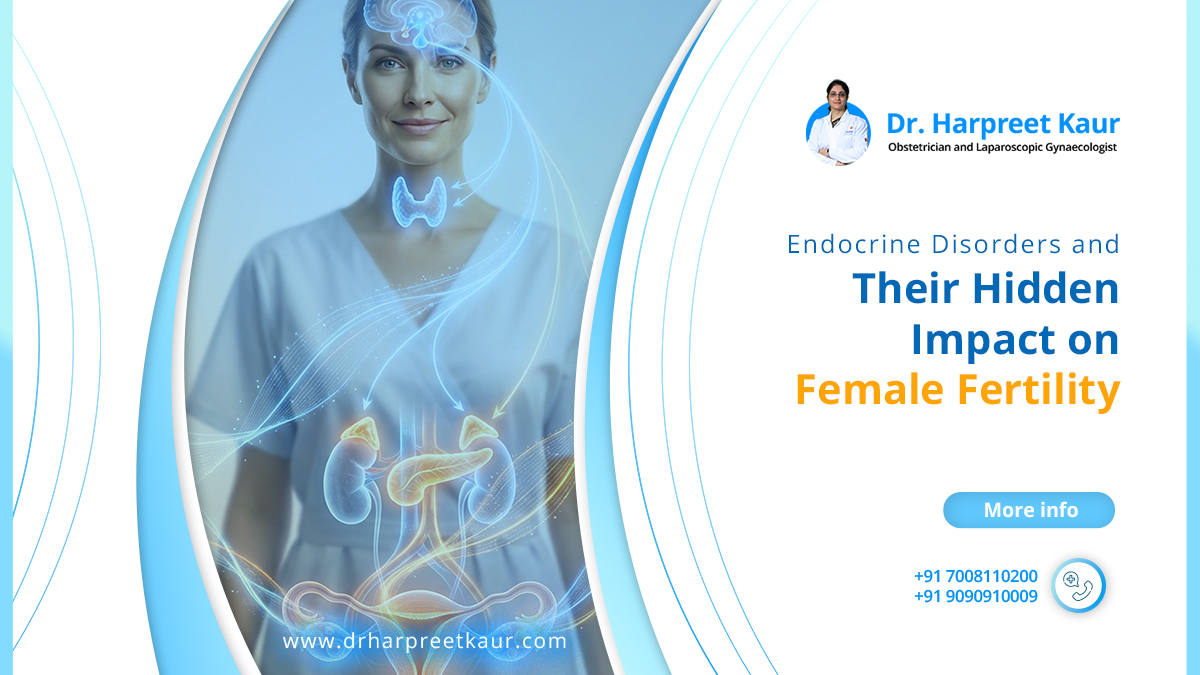
When a woman struggles to conceive, the causes are not always visible or immediately obvious. Often, the underlying issue lies within the body’s hormonal control system—the endocrine system. Endocrine disorders and female fertility are closely linked, yet these conditions frequently go undiagnosed for years. Hormones quietly regulate ovulation, menstrual cycles, implantation, and early pregnancy, so even subtle imbalances can disrupt the entire reproductive process.
Understanding how endocrine disorders affect fertility is the first step toward effective diagnosis and treatment. With expert evaluation and personalised care from specialists like Dr Harpreet Kaur, many women can restore hormonal balance and significantly improve their chances of conception.
Understanding the Endocrine System and Fertility
The endocrine system consists of glands that release hormones directly into the bloodstream. These hormones act as messengers, coordinating vital reproductive functions. Key glands involved in female fertility include:
- Hypothalamus
- Pituitary gland
- Thyroid gland
- Adrenal glands
- Ovaries
- Pancreas
Any dysfunction in these glands can lead to endocrine causes of infertility, affecting ovulation, egg quality, menstrual regularity, and pregnancy maintenance.
Hormonal Imbalance and Fertility: Why Balance Matters
A healthy reproductive cycle depends on the precise timing and interaction of hormones like estrogen, progesterone, FSH, LH, insulin, thyroid hormones, and prolactin. When this balance is disrupted, ovulation may not occur regularly—or at all.
Hormonal imbalance and fertility problems often present as:
- Irregular or absent periods
- Delayed ovulation
- Poor egg quality
- Difficulty with implantation
- Early pregnancy loss
These symptoms may seem mild at first but can significantly reduce fertility over time if untreated.
Thyroid Disorders and Infertility
One of the most common yet overlooked endocrine issues affecting fertility is thyroid dysfunction.
Hypothyroidism
Low thyroid hormone levels slow metabolism and interfere with ovulation. Women may experience:
- Irregular periods
- Heavy or scanty bleeding
- Weight gain
- Fatigue
Hyperthyroidism
Excess thyroid hormones can disrupt menstrual cycles and impair egg development.
Both conditions are strongly associated with thyroid disorders and infertility, as well as increased risk of miscarriage if pregnancy occurs without treatment.
Routine thyroid screening is a key component of fertility evaluation, especially under the guidance of specialists like Dr Harpreet Kaur.
PCOS and Fertility Issues
Polycystic Ovary Syndrome (PCOS) is one of the leading endocrine causes of infertility worldwide. It affects ovulation, hormone balance, and metabolic health.
Women with PCOS and fertility issues may experience:
- Irregular or absent ovulation
- Elevated androgen levels
- Insulin resistance
- Polycystic ovaries on ultrasound
Without ovulation, natural conception becomes difficult. However, with lifestyle changes, medical management, and ovulation induction therapies, many women with PCOS successfully conceive.
Insulin Resistance and Ovulation
Insulin resistance plays a critical role in fertility, particularly in women with PCOS or metabolic disorders. When cells fail to respond to insulin properly, the body produces more insulin to compensate.
High insulin levels can:
- Disrupt ovulation
- Increase androgen production
- Affect egg quality
- Interfere with implantation
This connection between insulin resistance and ovulation highlights the importance of metabolic health in fertility planning. Weight management, diet changes, and insulin-sensitizing medications often improve reproductive outcomes.
Prolactin Levels and Fertility
Prolactin is a hormone best known for stimulating milk production after childbirth. However, elevated prolactin outside of pregnancy can suppress ovulation.
High prolactin levels and fertility issues may result in:
- Irregular or absent periods
- Delayed ovulation
- Reduced estrogen levels
- Difficulty conceiving
Causes of high prolactin include pituitary adenomas, thyroid disorders, certain medications, and stress. Fortunately, this condition is highly treatable once identified.
Other Hormone Disorders Affecting Pregnancy
Several additional endocrine conditions can affect fertility and pregnancy outcomes:
Adrenal Disorders
Excess cortisol or androgen production can disrupt ovulation and implantation.
Hypothalamic Dysfunction
Often related to stress, excessive exercise, or low body weight, this condition can shut down reproductive hormone signaling entirely.
Luteal Phase Defects
Insufficient progesterone production can prevent successful implantation or lead to early pregnancy loss.
These hormone disorders affecting pregnancy require careful diagnosis and tailored treatment plans.
How Endocrine Disorders Affect Pregnancy Outcomes
Even when conception occurs, untreated endocrine disorders can affect pregnancy health. Potential risks include:
- Recurrent miscarriages
- Gestational diabetes
- Preterm birth
- Pregnancy-induced hypertension
- Poor fetal growth
This is why addressing endocrine disorders and female fertility before conception is essential for both maternal and fetal wellbeing.
Diagnosis: Identifying Endocrine Causes of Infertility
A thorough fertility work-up includes:
- Hormonal blood tests
- Thyroid function tests
- Glucose and insulin assessments
- Pelvic ultrasound
- Ovulation tracking
Experienced clinicians like Dr Harpreet Kaur take a holistic approach—looking beyond symptoms to identify the root cause of infertility.
Treatment and Management Strategies
Treatment depends on the specific endocrine disorder but may include:
- Hormone regulation therapy
- Thyroid medication
- Insulin-sensitizing agents
- Ovulation induction
- Lifestyle modifications
- Stress management
Early intervention not only improves fertility but also enhances long-term reproductive health.
Why Consult Dr Harpreet Kaur?
Managing hormonal fertility issues requires precision and experience. Dr Harpreet Kaur offers:
- Comprehensive endocrine-fertility evaluation
- Individualised treatment protocols
- Evidence-based reproductive care
- Ongoing pregnancy support
Her expertise ensures that hormonal imbalances are corrected safely and effectively.
Conclusion
The relationship between endocrine disorders and female fertility is complex, subtle, and often underestimated. Hormonal imbalances can quietly interfere with ovulation, conception, and pregnancy—but with proper diagnosis and expert care, they are highly manageable.
If you are struggling to conceive or experiencing unexplained fertility challenges, consulting a specialist like Dr Harpreet Kaur can help uncover hidden endocrine issues and guide you toward a healthy, successful pregnancy.